Có thể bạn quan tâm: Cá Sủ Hấp Xì Dầu – Bí Quyết Tạo Nên Món Ngon Đậm Đà, Dinh Dưỡng Cho Mọi Gia Đình
1. Giới thiệu chung về “súp” trong tiếng Anh
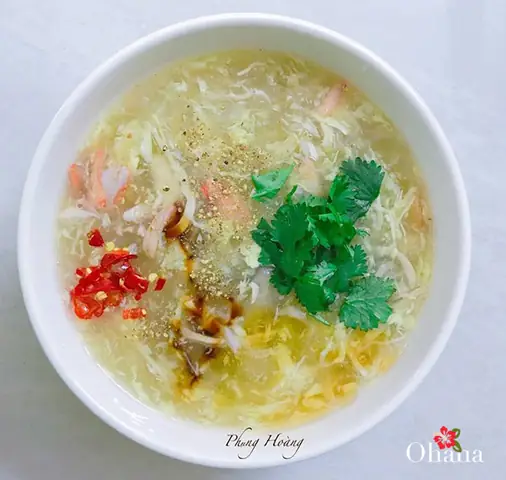
“Súp” (tiếng Việt) là một loại món ăn lỏng, thường được nấu từ nước dùng (stock, broth) kết hợp với các nguyên liệu như thịt, cá, hải sản, rau củ, hạt, bánh mì, hoặc các loại tinh bột. Khi chuyển sang tiếng Anh, “súp” được dịch là soup. Từ “soup” có nguồn gốc từ tiếng Pháp cổ “soupe”, bắt nguồn từ tiếng Latinh “suppa” (một loại bột ăn kèm với nước). Trong tiếng Anh hiện đại, “soup” không chỉ dùng để chỉ món ăn thanh, mà còn bao gồm cả các loại súp đặc, súp kem, súp lạnh, và thậm chí là một số món hầm nhẹ.
Việc hiểu rõ cách dùng từ “soup” trong tiếng Anh không chỉ giúp bạn giao tiếp tốt hơn khi ăn uống, mà còn mở rộng vốn từ vựng, cải thiện khả năng viết và nói trong các tình huống hàng ngày, du lịch, học tập hay công việc. Bài viết dưới đây sẽ cung cấp cho bạn một cái nhìn toàn diện: từ định nghĩa, cách phát âm, các loại súp phổ biến, cấu trúc câu mẫu, cho tới cách mô tả hương vị và cách đặt câu hỏi trong thực tế.
Có thể bạn quan tâm: Vỏ Há Cảo Mua Ở Đâu? Hướng Dẫn Chi Tiết Địa Chỉ, Giá Cả Và Mẹo Lựa Chọn Để Tận Hưởng Hương Vị Đặc Trưng
2. Phát âm và cách viết “soup”
| Tiếng Việt | Phiên âm IPA | Phát âm tiếng Anh (Mỹ) | Phát âm tiếng Anh (Anh) |
|---|---|---|---|
| soup | /suːp/ | /suːp/ (sờp) | /suːp/ (sờp) |
- Lưu ý: Chữ “ou” trong “soup” đọc là âm “u” dài /uː/. Không nên nhầm lẫn với “su” trong “sun” (/sʌn/).
- Ví dụ: “I love chicken soup.” → /aɪ lʌv ˈtʃɪkən suːp/.
Có thể bạn quan tâm: Cách Bảo Quản Củ Hũ Dừa: Bí Quyết Giữ Món Ngọt Cổ Truyền Luôn Thơm Ngon
3. Các loại súp (Soup) phổ biến trong tiếng Anh
3.1. Soup (Súp chung)
- Definition (Định nghĩa): A liquid dish, typically made by boiling meat, fish, or vegetables in stock or water.
- Example: “Tomato soup is a classic starter in many restaurants.”
3.2. Cream Soup (Súp kem)
- Definition: A thick, smooth soup made with cream, milk, or a roux (béchamel).
- Popular varieties: Cream of mushroom, cream of chicken, corn cream soup.
- Example: “The restaurant serves a delicious cream of mushroom soup.”
3.3. Broth (Nước dùng)
- Definition: A clear, flavored liquid made by simmering meat, bones, or vegetables.
- Example: “A clear chicken broth is often the base for many Asian soups.”
3.4. Consommé (Nước dùng trong)
- Definition: A clarified, richly flavored broth, usually clear and amber in color.
- Example: “Consommé is served as a sophisticated starter in fine dining.”
3.5. Chowder (Súp hải sản kiểu Mỹ)
- Definition: A thick, chunky soup that typically contains potatoes, onions, and seafood (clam, fish, or crab).
- Example: “New England clam chowder is famous for its creamy texture.”
3.6. Bisque (Súp hải sản kiểu Pháp)
- Definition: A smooth, highly seasoned, creamy soup of French origin, traditionally based on a strained broth of crustaceans such as lobster, crab, or shrimp.
- Example: “Lobster bisque is a luxurious choice for a special dinner.”
3.7. Stew (Súp hầm)
- Definition: Although “stew” is often considered a separate category, many English speakers call thick, hearty soups “stews.”
- Example: “Beef stew is a comforting winter dish.”
3.8. Gazpacho (Súp lạnh Tây Ban Nha)
- Definition: A cold soup made from blended raw vegetables, especially tomatoes, peppers, cucumbers, and olive oil.
- Example: “During hot summer days, a bowl of gazpacho is refreshing.”
3.9. Miso Soup (Súp miso Nhật Bản)
- Definition: A Japanese soup consisting of a stock called “dashi” into which softened miso paste is mixed. Often contains tofu, seaweed, and green onions.
- Example: “Miso soup is a staple in Japanese breakfast.”
3.10. Pho (Phở) – Vietnamese noodle soup (được gọi là “Vietnamese soup” trong tiếng Anh)
- Definition: A Vietnamese noodle soup consisting of broth, rice noodles, herbs, and meat (usually beef or chicken).
- Example: “I ordered a bowl of beef pho, which is essentially a Vietnamese soup.”
4. Cấu trúc câu mẫu để nói về “súp” trong tiếng Anh
| Mục đích | Câu mẫu (Tiếng Anh) | Dịch (Tiếng Việt) |
|---|---|---|
| Nói về món súp yêu thích | “My favorite soup is chicken noodle soup because it’s comforting and easy to digest.” | “Món súp yêu thích của tôi là súp mì gà vì nó ấm áp và dễ tiêu hoá.” |
| Mô tả hương vị | “The soup has a rich, creamy texture with a hint of garlic and fresh herbs.” | “Súp có vị béo ngậy, mịn màng cùng chút tỏi và thảo mộc tươi.” |
| Hỏi về sở thích | “Do you prefer hot soup or cold soup in the summer?” | “Bạn thích súp nóng hay súp lạnh vào mùa hè?” |
| Đặt món tại nhà hàng | “Could I have a bowl of tomato soup as a starter, please?” | “Cho tôi một tô súp cà chua làm món khai vị được không?” |
| Gợi ý nấu ăn | “If you want a quick soup, just boil some vegetables, add broth, and blend it.” | “Nếu muốn làm súp nhanh, chỉ cần luộc rau, thêm nước dùng và xay nhuyễn.” |
| So sánh | “Compared to broth, a stew is thicker and contains more solid ingredients.” | “So với nước dùng, một món hầm (stew) dày hơn và có nhiều nguyên liệu rắn hơn.” |
5. Từ vựng mở rộng liên quan đến “soup”
Có thể bạn quan tâm: Thời Gian Bảo Quản Tàu Heo Ngâm Chua Ngọt: Bí Quyết Giữ Độ Tươi Ngon Đến Khi Nào?
| Nhóm từ | Từ tiếng Anh | Ý nghĩa (Tiếng Việt) | Ví dụ |
|---|---|---|---|
| Nguyên liệu | stock | Nước dùng (có thể là chicken, beef, vegetable) | “Chicken stock adds depth to the soup.” |
| bouillon | Nước dùng dạng hầm, thường dùng trong nấu ăn Pháp | “Add a bouillon cube for extra flavor.” | |
| vegetables | Rau củ | “Carrots, celery, and onions are classic soup vegetables.” | |
| Đặc tính | clear | Trong, không chất lỏng mờ | “A clear consommé is a sign of good technique.” |
| thick | Đậm đặc | “The thick chowder is perfect for cold days.” | |
| Đồ dùng | bowl | Bát | “Serve the soup in a large bowl.” |
| ladle | Muỗng lớn dùng để múc súp | “Use a ladle to pour the soup into bowls.” | |
| Phương pháp | simmer | Đun lửa nhỏ, để sôi nhẹ | “Let the soup simmer for 30 minutes.” |
| blend | Xay nhuyễn | “Blend the soup until smooth.” | |
| Thêm hương vị | season | Nêm nếm | “Season the soup with salt and pepper.” |
| garnish | Trang trí | “Garnish the soup with fresh parsley.” |
6. Cách mô tả hương vị và cảm nhận khi thưởng thức súp
- Texture (Kết cấu)
- Smooth: “The bisque is incredibly smooth, almost like a sauce.”
- Chunky: “I love the chunky texture of beef stew, with big pieces of meat and potatoes.”
-
Velvety: “The velvety mouthfeel of the cream of mushroom soup is delightful.”
-
Flavor (Vị)
- Savory: “A savory broth forms the backbone of many Asian soups.”
- Spicy: “Add a dash of chili oil for a spicy kick.”
-
Umami: “Miso soup is rich in umami thanks to fermented soybeans.”
-
Aroma (Mùi)
- Fragrant: “The fragrant herbs like thyme and rosemary elevate the soup’s aroma.”
-
Earthy: “Roasted carrots give the soup an earthy scent.”
-
Temperature (Nhiệt độ)
- Hot: “A hot bowl of chicken noodle soup is perfect for a rainy day.”
- Cold: “Gazpacho is served cold, making it ideal for summer heat.”
7. Các mẫu câu hỏi thường gặp về “soup” trong các tình huống thực tế
7.1. Khi đi nhà hàng
- “What soups do you have today?”
- “Is the tomato soup vegetarian?”
- “Can I get the soup without cream?”
7.2. Khi mua sắm thực phẩm
- “Do you sell ready‑made broth or stock?”
- “Where can I find canned soup?”
- “Is this soup low‑sodium?”
7.3. Khi nấu ăn ở nhà
- “How long should I simmer the soup to develop flavor?”
- “Should I add the vegetables at the beginning or halfway through?”
- “Can I freeze the soup for later?”
7.4. Khi thảo luận về sức khỏe
- “Is chicken soup good for a cold?”
- “What are the benefits of miso soup for digestion?”
- “Which soup is highest in protein?”
8. Cách nấu súp cơ bản – Hướng dẫn chi tiết (tiếng Anh)
8.1. Ingredients (Nguyên liệu)
| Thành phần | Lượng (cho 4 khẩu phần) |
|---|---|
| Chicken stock (or vegetable stock) | 1.5 L |
| Carrots, diced | 2 medium |
| Celery, diced | 2 stalks |
| Onion, finely chopped | 1 large |
| Garlic, minced | 2 cloves |
| Salt & pepper | To taste |
| Fresh herbs (parsley, thyme) | 2 tbsp chopped |
| Optional: noodles or rice | 100 g |
| Optional: shredded chicken | 200 g cooked |
8.2. Steps (Các bước)
- Heat the stock – Bring the chicken stock to a gentle simmer in a large pot.
- Sauté aromatics – In a separate pan, heat a little oil, then sauté the onion, carrots, celery, and garlic until softened (about 5 minutes).
- Combine – Transfer the sautéed vegetables to the pot of stock.
- Season – Add salt, pepper, and herbs. Let the soup simmer for 15‑20 minutes, allowing flavors to meld.
- Add protein & carbs – If using shredded chicken, add it now. If you want noodles or rice, add them and cook until tender (usually 8‑10 minutes).
- Adjust – Taste and adjust seasoning. If the soup is too thick, add a little water or extra stock.
- Serve – Ladle the soup into bowls, garnish with fresh parsley, and enjoy hot.
8.3. Tips (Mẹo)
- Use a good quality stock – It’s the foundation of flavor. Homemade stock yields the best result.
- Don’t over‑boil – A gentle simmer preserves the clarity of the broth and prevents the vegetables from turning mushy.
- Layer flavors – Adding herbs at the beginning infuses the broth, while a sprinkle of fresh herbs at the end adds brightness.
9. “Súp” trong văn hoá và ẩm thực quốc tế
| Quốc gia | Loại súp đặc trưng | Đặc điểm | Ghi chú |
|---|---|---|---|
| Mỹ | Chicken noodle soup, clam chowder, tomato soup | Thường có bánh mì hoặc bánh quy kèm | Soup is a common comfort food in the U.S. |
| Pháp | French onion soup, bisque, consommé | Nhiều loại dùng rượu vang, phô mai | Soups often served as starters in fine dining. |
| Nhật Bản | Miso soup, ramen broth | Sử dụng dashi, miso, nước tương | Ramen broth is a complex, long‑simmered soup. |
| Trung Quốc | Hot and sour soup, wonton soup | Gia vị mạnh, thường có bột năng để làm đặc | Soup is served both as a starter and a main dish. |
| Việt Nam | Phở, bún bò Huế, canh chua | Hương vị thanh ngọt, dùng thảo mộc tươi | “Phở” is internationally recognized as a Vietnamese soup. |
| Tây Ban Nha | Gazpacho, salmorejo | Súp lạnh, dựa trên cà chua | Served cold, especially in summer. |
| Ý | Minestrone, ribollita | Dùng nhiều rau củ, đậu và mì | Thick, hearty soups often contain pasta or rice. |
10. Những lỗi thường gặp khi dùng từ “soup” trong tiếng Anh và cách khắc phục
| Lỗi | Mô tả | Cách sửa |
|---|---|---|
| Nhầm “soup” với “stew” | “Stew” thường dày hơn, có nhiều nguyên liệu rắn, trong khi “soup” thường lỏng hơn. | Khi món ăn có độ đặc cao và ít nước, dùng “stew”. Nếu là nước dùng mỏng, dùng “soup”. |
| Dùng “soup” để chỉ “sauce” | “Sauce” là nước sốt, thường được dùng để kèm món ăn, không phải món ăn độc lập. | Giữ “soup” cho món ăn độc lập, dùng “sauce” cho nước sốt kèm. |
| Quên “a” hoặc “the” trước “soup” | Trong tiếng Anh, danh từ đếm được cần mạo từ. | Ví dụ: “I’d like a bowl of soup.” hoặc “The soup is too salty.” |
| Phát âm “soup” thành “soup” /sʌp/ | Nhầm âm “u” ngắn /ʌ/. | Luyện phát âm /suːp/ (sờp) thường xuyên. |
| Không phân biệt “broth” và “stock” | “Stock” thường nấu lâu hơn, không có muối; “broth” đã có muối và dùng ngay. | Khi muốn nhắc tới nước dùng chưa nêm muối, dùng “stock”. Khi nói tới nước dùng đã sẵn sàng, dùng “broth”. |
11. Tổng kết
“Súp” trong tiếng Anh là soup, một từ đa dạng, bao trùm nhiều loại món ăn khác nhau từ súp thanh, súp kem, súp lạnh, cho tới các món hầm đặc. Hiểu rõ cách dùng từ, cách phát âm, các loại súp phổ biến và cách mô tả chúng sẽ giúp bạn tự tin hơn trong giao tiếp hàng ngày và trong môi trường ẩm thực quốc tế. Ngoài ra, việc nắm vững các mẫu câu, từ vựng mở rộng và những lưu ý ngữ pháp sẽ giúp bạn tránh những lỗi thường gặp, nâng cao khả năng viết và nói tiếng Anh một cách tự nhiên.
Hãy thử áp dụng những kiến thức này ngay trong bữa ăn tiếp theo: đặt món “soup” tại nhà hàng, nấu một nồi “cream of mushroom soup” cho gia đình, hoặc thậm chí chia sẻ về “pho” – một “Vietnamese soup” – với bạn bè quốc tế. Khi bạn đã làm được điều đó, bạn đã thực sự hiểu và sử dụng thành thạo từ “súp” trong tiếng Anh!