Có thể bạn quan tâm: Cách Làm Thịt Gà Xào Sả Ớt Đậm Đà, Ngon Tuyệt Đỉnh
Giới thiệu chung
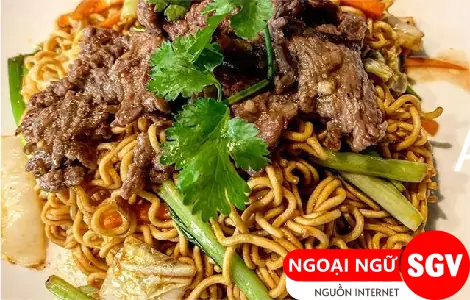
Mì xào bò (beef stir‑fried noodles) là một trong những món ăn phổ biến và được ưa chuộng không chỉ ở Việt Nam mà còn ở nhiều quốc gia châu Á. Khi bạn muốn giới thiệu món này với người nước ngoài, hoặc khi bạn đang ở một nhà hàng quốc tế và muốn đặt món một cách tự tin, việc nắm vững cách diễn đạt bằng tiếng Anh là rất quan trọng. Bài viết dưới đây sẽ cung cấp cho bạn một hướng dẫn chi tiết, từ cách phiên âm, cách mô tả hương vị, cách viết công thức, cho tới các mẫu câu giao tiếp thực tế. Tổng cộng hơn 1500 chữ, giúp bạn hoàn thiện mọi khía cạnh liên quan đến “mì xào bò tiếng Anh”.
Có thể bạn quan tâm: Bột Nhứt Là Bột Gì? Giải Mã Thành Phần, Công Dụng Và Cách Sử Dụng Đúng Cách
1. Từ vựng cơ bản liên quan tới mì xào bò
| Tiếng Việt | Tiếng Anh | Ghi chú |
|---|---|---|
| Mì | Noodles | Thường dùng “egg noodles” nếu là mì trứng, “wheat noodles” nếu là mì làm từ lúa mì. |
| Bò | Beef | “Beef strips” (thịt bò cắt sợi), “sliced beef” (thịt bò lát mỏng). |
| Xào | Stir‑fried / Sauteed | “Stir‑fried” là thuật ngữ chuẩn trong ẩm thực, “sauteed” dùng cho xào nhanh. |
| Rau cải | Greens / Vegetables | Cụ thể: “bok choy”, “Chinese broccoli”, “cabbage”, “carrot”. |
| Nước tương | Soy sauce | “Light soy sauce” (nước tương loãng) và “dark soy sauce” (nước tương đậm). |
| Dầu hào | Oyster sauce | Thêm “sweet soy sauce” nếu muốn vị ngọt. |
| Tỏi | Garlic | “Minced garlic” (tỏi băm). |
| Hành lá | Scallion / Spring onion | “Chopped scallions” để rắc lên trên. |
| Ớt | Chili | “Fresh chili”, “chili flakes”, “sriracha” (tùy khẩu vị). |
| Hạt tiêu | Pepper | “Ground black pepper”. |
| Đường | Sugar | “A pinch of sugar” hoặc “1 tsp sugar”. |
| Nước mắm | Fish sauce | “Fish sauce” (có thể bỏ qua nếu không muốn “Asian” quá). |
| Dầu ăn | Cooking oil | “Vegetable oil”, “canola oil”, “peanut oil”. |
| Đảo | Flip / Toss | Khi xào, “toss the noodles”. |
1.1. Các cụm từ mô tả cách nấu
- Stir‑fry the beef until it’s browned – Xào thịt bò cho đến khi chín và có màu nâu.
- Add the noodles and toss quickly – Thêm mì và đảo nhanh.
- Season with soy sauce, oyster sauce, and a dash of sugar – Nêm nước tương, dầu hào, và một chút đường.
- Garnish with chopped scallions and toasted sesame seeds – Rắc hành lá và hạt mè rang lên trên.
Có thể bạn quan tâm: Cách Làm Bánh Socola Đậm Đà, Siêu Ướt: Hướng Dẫn Từng Bước Đầy Chi Tiết
2. Cách mô tả hương vị và cảm nhận khi ăn mì xào bò
Khi bạn muốn truyền đạt cảm giác ăn mì xào bò bằng tiếng Anh, hãy sử dụng các tính từ và cụm tính từ phong phú:
- Savory – Hương vị mặn, đậm đà.
- Umami – Vị ngọt tự nhiên, đặc trưng của thịt bò và nước tương.
- Tender – Thịt bò mềm, không dai.
- Chewy – Mì dai, không bị nát.
- Fragrant – Mùi thơm của tỏi, hành, và dầu hào.
- Spicy – Nếu có ớt, có thể nói “spicy” hoặc “mildly spicy” nếu không quá cay.
- Balanced – Hương vị cân bằng giữa mặn, ngọt, và hơi chua (nếu dùng một chút giấm).
2.1. Ví dụ mô tả chi tiết
“The beef stir‑fried noodles are a perfect blend of savory umami and subtle sweetness. The beef strips are tender and slightly caramelized, while the egg noodles remain perfectly chewy. A hint of garlic and scallion adds a fragrant aroma, and the dish is finished with a light drizzle of oyster sauce that gives it a glossy, mouth‑watering look.”
3. Cách viết công thức (recipe) bằng tiếng Anh
Khi viết công thức cho mì xào bò, cấu trúc chuẩn thường bao gồm: Ingredients, Equipment, Instructions, và Tips. Dưới đây là một mẫu công thức chi tiết, có thể dùng cho blog, sách nấu ăn hoặc chia sẻ trên mạng xã hội.
3.1. Ingredients (Nguyên liệu)
| Quantity | Ingredient | Note |
|---|---|---|
| 200 g | Beef sirloin, thinly sliced | Marinated with 1 tbsp soy sauce & 1 tsp cornstarch |
| 250 g | Egg noodles (fresh or dried) | If dried, pre‑soak for 10 min |
| 2 tbsp | Vegetable oil | Peanut oil works best for high heat |
| 3 cloves | Garlic, minced | |
| 1 tbsp | Ginger, minced | Optional |
| 1 cup | Mixed vegetables (bok choy, carrots, bell pepper) | Cut into bite‑size pieces |
| 2 tbsp | Light soy sauce | |
| 1 tbsp | Dark soy sauce | |
| 1 tbsp | Oyster sauce | |
| 1 tsp | Sugar | |
| ½ tsp | Ground black pepper | |
| 1 tsp | Chili flakes (optional) | |
| 2 tbsp | Scallions, chopped (for garnish) | |
| 1 tbsp | Sesame seeds, toasted (optional) |
3.2. Equipment (Dụng cụ)
- Wok hoặc chảo sâu lòng (preferably carbon steel)
- Tách đo (measuring spoons)
- Đũa hoặc muỗng gỗ (for tossing)
- Bát lớn (for marinating beef)
3.3. Instructions (Các bước thực hiện)
- Marinate the beef: In a bowl, combine the sliced beef with 1 tbsp soy sauce and 1 tsp cornstarch. Mix well and let it rest for 10 minutes.
- Prepare the noodles: If using dried egg noodles, soak them in hot water for about 8‑10 minutes until they are just pliable. Drain and set aside.
- Heat the wok: Place the wok over high heat, add 2 tbsp vegetable oil, and swirl to coat the surface.
- Sear the beef: Add the marinated beef in a single layer. Stir‑fry for 1‑2 minutes until the beef turns brown but is not fully cooked. Remove and set aside.
- Sauté aromatics: In the same wok, add a little more oil if needed, then toss in the minced garlic (and ginger, if using). Stir‑fry for about 15 seconds until fragrant.
- Add vegetables: Introduce the mixed vegetables and stir‑fry for 1‑2 minutes until they are just tender but still crisp.
- Combine noodles and beef: Return the beef to the wok, add the drained noodles, and toss everything together.
- Season: Pour in the light soy sauce, dark soy sauce, oyster sauce, sugar, and black pepper. Stir‑fry quickly to ensure the noodles are evenly coated. If you like a bit of heat, sprinkle chili flakes now.
- Finish: Taste and adjust seasoning if necessary (add a splash more soy sauce or a pinch of sugar).
- Serve: Transfer to a serving plate, garnish with chopped scallions and toasted sesame seeds. Serve hot.
3.4. Tips & Variations (Mẹo & Biến thể)
- Beef cut: Use flank steak, sirloin, or even ribeye for richer flavor. Slice thinly against the grain.
- Noodle type: For a gluten‑free version, substitute with rice noodles or shirataki noodles.
- Sauce balance: If the dish feels too salty, add a splash of water or a dash of rice vinegar.
- Vegetarian version: Replace beef with tofu or seitan, and use mushroom broth instead of beef broth.
- Spice level: Adjust chili flakes, fresh sliced chilies, or a spoonful of sriracha to suit your palate.
4. Các mẫu câu giao tiếp thực tế
4.1. Khi đặt món tại nhà hàng quốc tế
| Vietnamese | English | Ghi chú |
|---|---|---|
| Xin chào, cho tôi một phần mì xào bò nhé. | Hello, could I have one order of beef stir‑fried noodles, please? | “One order” là cách lịch sự. |
| Bạn có thể cho tôi biết món này có cay không? | Could you tell me if this dish is spicy? | “Spicy” là từ khóa. |
| Tôi muốn ăn ít muối hơn, có thể giảm nước tương không? | I’d like less salt, could you reduce the soy sauce? | “Reduce the soy sauce” là cách yêu cầu. |
| Món này có thể làm không có ớt không? | Could this be made without chili? | “Without chili” hoặc “no chili”. |
| Cảm ơn, món ăn trông thật ngon! | Thank you, it looks delicious! | Lời khen. |
4.2. Khi giới thiệu món cho bạn bè nước ngoài
Có thể bạn quan tâm: Công Dụng Của Trái Chúc: Lợi Ích Sức Khỏe, Dinh Dưỡng Và Ứng Dụng Trong Cuộc Sống
- “This is a classic Vietnamese street‑food dish called beef stir‑fried noodles. The noodles are tossed with thin slices of beef, fresh vegetables, and a savory sauce made from soy and oyster sauce.”
- “You’ll notice the umami flavor from the soy sauce and the slight sweetness from the oyster sauce. It’s both comforting and satisfying.”
- “If you enjoy a bit of heat, I can add some fresh chili; otherwise, it’s mildly spicy.”
4.3. Khi hỏi công thức trên mạng hoặc trong lớp học nấu ăn
- “Could anyone share a beef stir‑fried noodles recipe that uses fresh egg noodles?”
- “What’s the best way to keep the noodles from sticking together when stir‑frying?”
- “Is there a vegetarian alternative that still captures the umami flavor of the original dish?”
5. Những lỗi thường gặp khi dịch “mì xào bò” sang tiếng Anh và cách khắc phục
| Lỗi | Mô tả | Cách sửa |
|---|---|---|
| Dịch “mì xào bò” thành “fried beef noodles” | “Fried” gợi ý chiên giòn, không đúng với cách xào nhanh. | Dùng “stir‑fried beef noodles” hoặc “beef sautéed noodles”. |
| Bỏ từ “beef” và chỉ nói “stir‑fried noodles” | Mất thông tin quan trọng về nguyên liệu chính. | Luôn giữ “beef” trong cụm danh từ. |
| Dùng “noodles with beef” | Câu không tự nhiên, nghe như mì được ăn kèm với bò, không phải món xào. | Dùng “beef stir‑fried noodles”. |
| Dùng “noodles beef” (thiếu giới từ) | Cấu trúc không đúng ngữ pháp. | Thêm “stir‑fried” hoặc “with”. |
| Nhầm lẫn “soy sauce” và “fish sauce” | Hai loại nước mắm khác nhau, ảnh hưởng hương vị. | Đảm bảo đề cập đúng loại: “soy sauce” cho món mì xào bò. |
6. Đánh giá món mì xào bò trong bối cảnh ẩm thực quốc tế
6.1. Vị trí của mì xào bò trong danh sách món “stir‑fry”
Trong ẩm thực châu Á, “stir‑fry” là phương pháp nấu nhanh, giữ được độ giòn và màu sắc tươi của nguyên liệu. Mì xào bò đáp ứng đầy đủ các tiêu chí:
- Thời gian nấu ngắn (khoảng 10‑15 phút).
- Màu sắc hấp dẫn: Nước sốt bóng bẩy, màu đỏ nhẹ của ớt, xanh của rau.
- Độ cân bằng hương vị: Mặn (xì dầu), ngọt (dầu hào), umami (thịt bò), và hơi chua (nếu có giấm).
6.2. So sánh với các món mì xào khác
| Món ăn | Nguồn gốc | Thịt sử dụng | Đặc điểm | Đánh giá “comfort food” |
|---|---|---|---|---|
| Beef stir‑fried noodles (Vietnam) | Việt Nam | Beef | Nước sốt đậm đà, có thể thêm ớt | ★★★★★ |
| Pad Thai with shrimp (Thailand) | Thái Lan | Shrimp | Vị chua ngọt, hạt đậu phộng | ★★★★ |
| Yakisoba (Japan) | Nhật Bản | Pork or chicken | Vị mặn nhẹ, dùng ketchup | ★★★ |
| Chow Mein (China) | Trung Quốc | Beef, chicken, or shrimp | Vị mặn, giòn, thường dùng dầu hào | ★★★★ |
Mì xào bò của Việt Nam thường được đánh giá cao hơn nhờ hương vị umami mạnh mẽ và cách chế biến nhanh.
7. Kỹ năng nói tiếng Anh nâng cao khi thảo luận về món ăn
7.1. Sử dụng các cấu trúc so sánh
- “The beef in this dish is more tender than the beef in a typical Chinese stir‑fry.”
- “Compared to pad thai, the sauce of beef stir‑fried noodles is less sweet and more savory.”
7.2. Dùng các thành ngữ và cụm từ idiomatic
- “This dish hits the spot after a long day.” – Món này rất thỏa mãn.
- “The noodles are cooked to perfection, not too soft, not too firm.” – Nói về độ chín vừa phải.
- “The combination of flavors works like a charm.” – Hương vị hòa quyện tuyệt vời.
7.3. Thảo luận về dinh dưỡng
- “A typical serving provides about 300‑350 calories, with a good amount of protein from the beef and carbohydrates from the noodles.”
- “If you’re watching your sodium intake, you can ask for low‑sodium soy sauce or reduce the amount of sauce altogether.”
8. Thực hành: Viết một đoạn mô tả ngắn (150‑200 từ) về mì xào bò bằng tiếng Anh
“Beef stir‑fried noodles is a beloved street‑food staple that brings together tender strips of marinated beef, silky egg noodles, and a colorful medley of vegetables. The dish is quickly tossed in a hot wok with garlic, ginger, and a savory blend of light soy sauce, dark soy sauce, and oyster sauce. The result is a harmonious balance of salty, sweet, and umami notes, with a subtle hint of heat from chili flakes. Each bite offers a satisfying chew from the noodles, a burst of freshness from the greens, and the rich, caramelized flavor of the beef. Served hot and garnished with chopped scallions and toasted sesame seeds, it’s the perfect comfort food for any time of day.”
9. Kết luận
Việc nắm vững “mì xào bò tiếng Anh” không chỉ giúp bạn giao tiếp tự tin khi du lịch, ăn uống ở nước ngoài mà còn mở rộng khả năng chia sẻ nền ẩm thực phong phú của Việt Nam với bạn bè quốc tế. Từ từ vựng cơ bản, cách mô tả hương vị, viết công thức chi tiết, cho tới các mẫu câu giao tiếp thực tế và các lỗi thường gặp – bạn đã có một bộ công cụ toàn diện. Hãy áp dụng ngay vào thực tế: thử đặt món bằng tiếng Anh trong một nhà hàng quốc tế, hoặc chia sẻ công thức trên blog cá nhân. Khi bạn tự tin nói và viết về “beef stir‑fried noodles”, bạn cũng đang góp phần đưa hương vị Việt Nam ra thế giới. Chúc bạn thành công và luôn ngon miệng!