

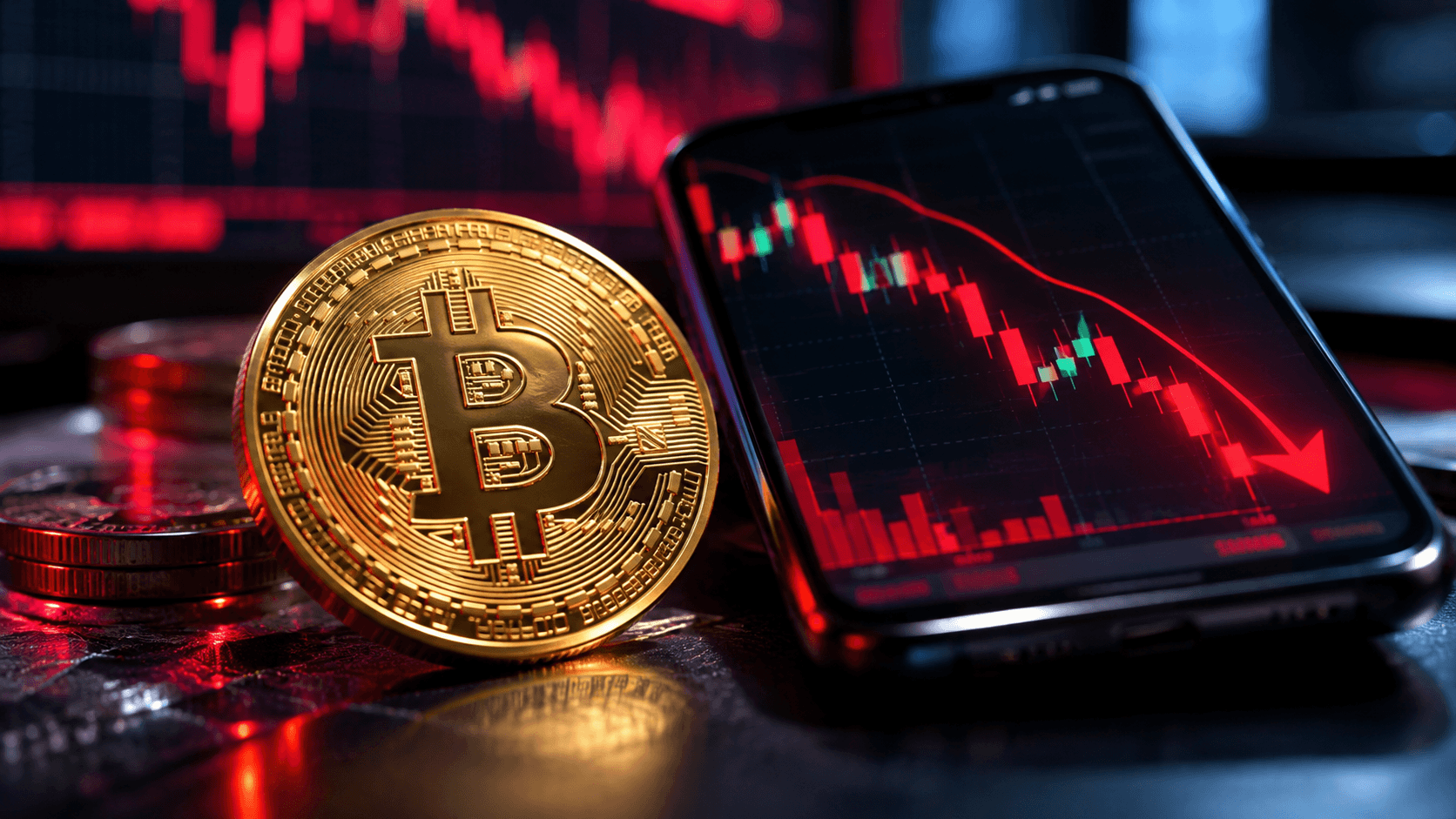
Why is Bitcoin going down? Bitcoin is facing selling pressure from several factors, including concerns about Federal Reserve interest rates, outflows from spot Bitcoin exchange-traded funds (ETFs), leveraged position liquidations, and weakening investor confidence.
On November 13, 2026, Bitcoin fell below $70,000, briefly reaching approximately $67,770, its lowest level in about 12 weeks. But what is driving the decline, and could Bitcoin fall further?
Why Is Bitcoin Going Down Right Now?
Bitcoin's recent decline is not the result of a single event. Instead, several market pressures have emerged simultaneously. According to CoinDesk, Bitcoin reached its lowest level since August on November 13, 2026, while approximately $1.64 billion in cryptocurrency trading positions were liquidated within 24 hours.
Bitcoin also dropped below the psychologically important $70,000 level. As prices declined, leveraged long positions faced forced liquidation, adding to selling pressure. Meanwhile, U.S. technology stocks weakened, the dollar strengthened, and investors became increasingly concerned about the Federal Reserve's interest rate outlook.
Spot Bitcoin ETFs in the United States also experienced continued outflows, suggesting weaker demand among investors using these funds. Together, these developments help explain why Bitcoin has fallen sharply without pointing to one definitive cause.
3 Main Reasons Bitcoin Is Falling
1. Bitcoin ETF Outflows Are Weakening Demand
One important factor behind Bitcoin's decline is the continued withdrawal of capital from U.S. spot Bitcoin ETFs. According to Farside Investors data cited by CoinDesk, these funds recorded approximately $1.44 billion in net outflows over six consecutive trading sessions through November 12, 2026.
When investors withdraw money from Bitcoin ETFs, fund managers may need to adjust their Bitcoin holdings. Depending on the fund's creation and redemption process, this can reduce buying demand or contribute to selling pressure.
Persistent ETF outflows may also indicate greater caution among institutional and retail investors. However, ETF outflows do not mean every Bitcoin investor is selling. They are one indicator of demand and should be considered alongside broader trading activity.
2. Fed Interest Rate Expectations Are Pressuring Bitcoin
Federal Reserve interest rate expectations are another source of pressure on Bitcoin. Following stronger-than-expected U.S. inflation data, investors became increasingly concerned that the Fed could raise interest rates at its December 2026 meeting.
Higher interest rates can make investors less willing to hold volatile assets such as Bitcoin. Rising Treasury yields and a stronger U.S. dollar may also reduce the relative appeal of cryptocurrencies.
During the November 13 sell-off, the U.S. Dollar Index reportedly climbed above 103 as Bitcoin and other risk-sensitive assets weakened. Still, Bitcoin does not always fall when interest rates rise. Its response depends on market expectations, liquidity conditions, and investor demand.
3. Crypto Liquidations Are Accelerating the Sell-Off
Leveraged liquidations can turn an ordinary Bitcoin decline into a much sharper sell-off. Some traders borrow funds to open positions larger than their available capital. When Bitcoin falls, leveraged long positions may no longer have enough collateral to remain open.
Exchanges can then automatically close those positions, creating additional selling pressure. According to CoinDesk, approximately $1.64 billion in cryptocurrency positions were liquidated within 24 hours on November 13, with long positions accounting for much of the activity.
This can create a chain reaction: falling prices trigger liquidations, liquidations increase selling pressure, and prices decline further. That helps explain why Bitcoin sometimes loses value rapidly within hours, even without another major negative announcement.
Will Bitcoin Keep Going Down?
Bitcoin could continue falling if ETF outflows persist, interest rate expectations remain unfavorable, and additional leveraged positions are liquidated. The $70,000 level was an important psychological reference during the November 13 decline. Falling below it demonstrated the strength of selling pressure at that time.
However, breaking a particular price level does not guarantee further losses. Investors should monitor three important indicators:
-
Bitcoin ETF flows: Are net outflows slowing, or are funds beginning to attract new capital?
-
Crypto liquidations: Is forced selling declining as leveraged positions are cleared?
-
Federal Reserve expectations: Are inflation data and interest rate expectations becoming more favorable?
If these conditions remain negative, Bitcoin may experience continued volatility.
When Could Bitcoin Recover?
Bitcoin could begin stabilizing when selling pressure weakens and buying demand returns. One encouraging signal would be sustained net inflows into spot Bitcoin ETFs rather than a single positive trading session.
Improving expectations about Federal Reserve interest rates could also support investor confidence in risk-sensitive assets. Another potential sign of recovery would be Bitcoin holding a price range after the sell-off while buying volume increases.
However, one strong trading day does not confirm a lasting recovery. Bitcoin can experience temporary rebounds before declining again if underlying market pressures remain unresolved.
Frequently Asked Questions
Why Is Bitcoin Crashing Today?
During the November 13, 2026 decline, Bitcoin faced pressure from spot ETF outflows, Federal Reserve interest rate concerns, weaker technology stocks, and widespread leveraged liquidations. These factors contributed to increased selling activity and sharp short-term volatility.
Is Bitcoin Going to Zero?
Bitcoin carries significant risk and can experience substantial price declines. However, the latest sell-off does not establish that Bitcoin is heading to zero. No reliable method can predict Bitcoin's future price with certainty.
Should I Buy Bitcoin When It Drops?
A lower Bitcoin price does not automatically make it a good investment. Whether buying makes sense depends on your financial situation, investment goals, risk tolerance, and ability to absorb potential losses.
Follow Lofita.vn for more insights into Bitcoin, cryptocurrency markets, and financial trends.


Comments 0