

An unexpected car repair, medical bill, or job loss can leave you relying on credit cards to cover essential expenses. Learning how to build an emergency fund helps you prepare financially before these situations arise. In this guide, Lofita.vn explains how to start an emergency fund with small contributions and maintain your savings even when your budget is tight.
How Much Money Do You Need for an Emergency Fund?

An emergency fund is money set aside specifically for unexpected expenses, such as a sudden loss of income, essential car repairs, or unplanned medical costs.
If you have no emergency savings, consider starting with a goal of $500–$1,000. While this amount may not cover every emergency, it can help you handle smaller unexpected expenses without borrowing more money.
Over time, a commonly recommended goal is to save three to six months of essential living expenses. These expenses typically include rent, groceries, utilities, insurance, and transportation.
For example, if your essential monthly expenses total $2,000, your emergency savings target would be:
-
Three months: $6,000
-
Six months: $12,000
If your income is unpredictable or you have dependents, you may want a larger financial cushion. However, you do not need to be able to save thousands of dollars before getting started.
How to Build an Emergency Fund in 5 Steps
Building an emergency fund does not necessarily require a high income. The key is choosing an amount that fits your budget and developing a consistent savings habit.
Step 1. Start With an Amount You Can Afford
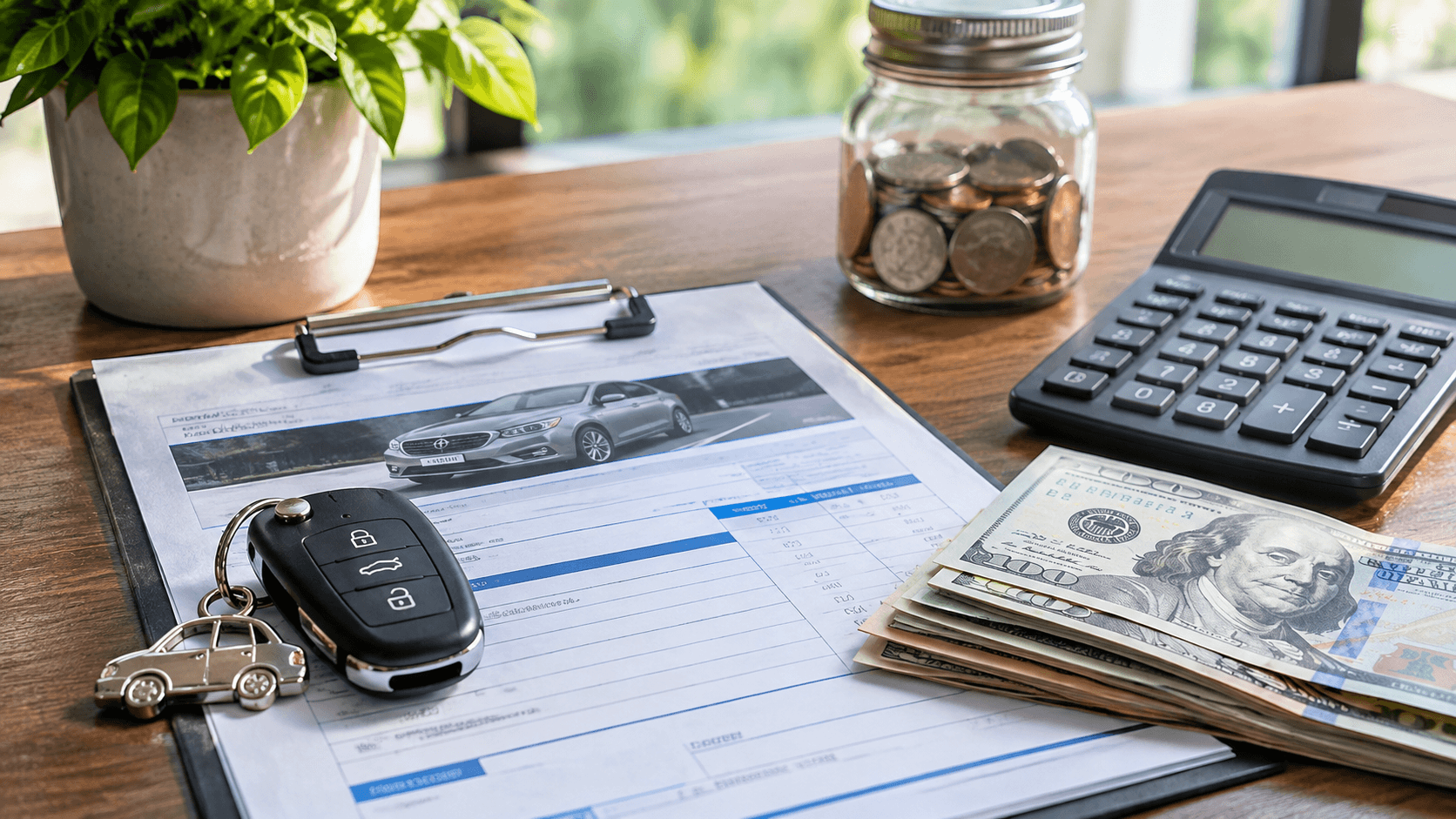
Begin by reviewing your income and essential expenses to determine how much you can save from each paycheck.
If money is tight, start with $10, $20, or $25 per week. Saving a small amount consistently is more useful than setting an ambitious target you cannot maintain.
For example, saving $20 per week adds up to $1,040 over 52 weeks, excluding interest. Once you reach your first savings milestone, you can continue building toward a larger emergency fund.
Step 2. Make Room in Your Monthly Budget
If you feel there is no money left to save, review your spending from the previous month.
Start by canceling subscriptions you rarely use, ordering takeout less frequently, or setting spending limits for nonessential purchases.
For example, cutting $15 in subscription costs and $35 in unplanned spending each month would free up an additional $50 for your emergency fund.
You can also use part of a bonus, tax refund, or extra income to reach your savings goal sooner. However, focus on changes you can maintain without cutting essential living expenses.
Step 3. Keep Your Emergency Savings Separate

Keep your emergency fund in a separate account so you are less likely to spend it on everyday purchases.
One option is a High-Yield Savings Account (HYSA), which often offers a more competitive interest rate than a traditional savings account.
When choosing an account in the United States, compare monthly fees, minimum balance requirements, transfer times, and whether eligible deposits are insured by the FDIC or NCUA.
Most importantly, your emergency savings should remain safe and reasonably accessible when needed. Avoid putting your entire emergency fund into stocks or other investments that can experience significant price fluctuations.
Step 4. Automate Your Savings
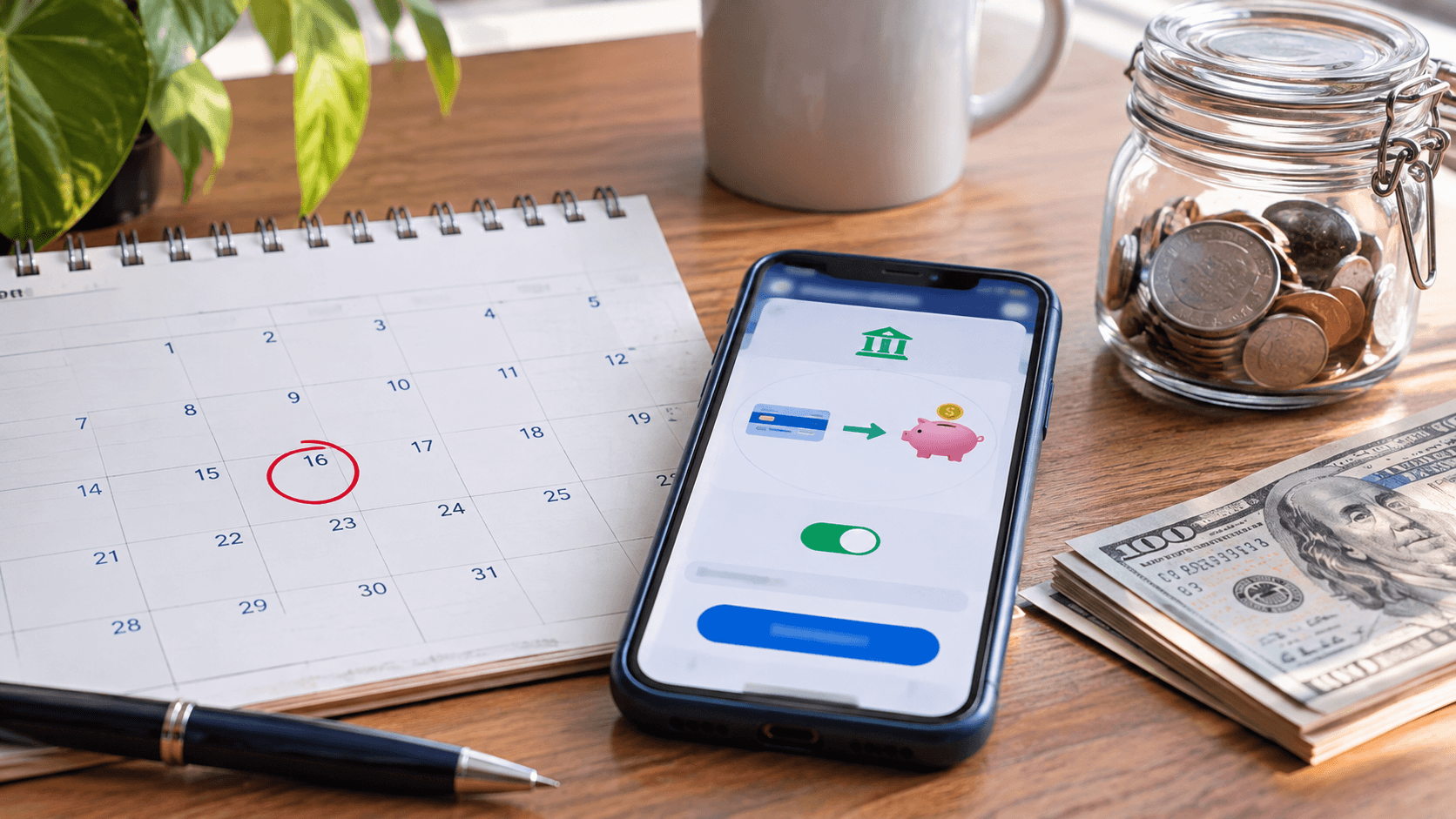
Automatic transfers help you save regularly without having to remember to move money each month.
If you receive a paycheck every two weeks, consider transferring $25 to your savings account after each payday. With 26 pay periods per year, you would save $650 annually, excluding interest.
Schedule transfers after your paycheck arrives and make sure your checking account still has enough money to cover upcoming bills.
If your income changes from month to month, you can automate a smaller fixed amount and contribute more during months when you earn extra money.
Step 5. Track Your Progress and Increase Savings Gradually
Tracking your savings helps you see how close you are to reaching your goal.
Check your balance each month and divide a larger goal into smaller milestones, such as $250, $500, and $1,000. Once you reach one milestone, continue saving toward the next.
If you receive a raise or eliminate a recurring expense, consider directing part of that extra money into your emergency fund.
If you need to use your savings for an actual emergency, return to a smaller target if necessary and gradually rebuild your balance as your finances allow.
How Long Does It Take to Build an Emergency Fund?
The time required to build an emergency fund depends on your savings goal, monthly contributions, and how much money you already have set aside.
If you start from $0 and save consistently, the following table provides a simple estimate:
| Monthly Savings | Reach $500 | Reach $1,000 |
|---|---|---|
| $25 | 20 months | 40 months |
| $50 | 10 months | 20 months |
| $100 | 5 months | 10 months |
| $200 | 3 months | 5 months |
Estimates are rounded up to full months and exclude interest earnings.
For example, saving $100 per month would allow you to reach $1,000 in approximately 10 months. Increasing your contribution to $200 would shorten that timeline to five months.
You do not need to reach your goal as quickly as someone else. A realistic plan you can maintain is more valuable than saving too aggressively and then withdrawing money to cover everyday expenses.
Frequently Asked Questions
Can You Build an Emergency Fund on a Low Income?
Yes. You can start by saving $5–$10 per week and increase your contributions when your budget allows. Prioritize essential expenses first, then consistently set aside a manageable amount for emergencies.
Should You Save an Emergency Fund or Pay Off Debt First?
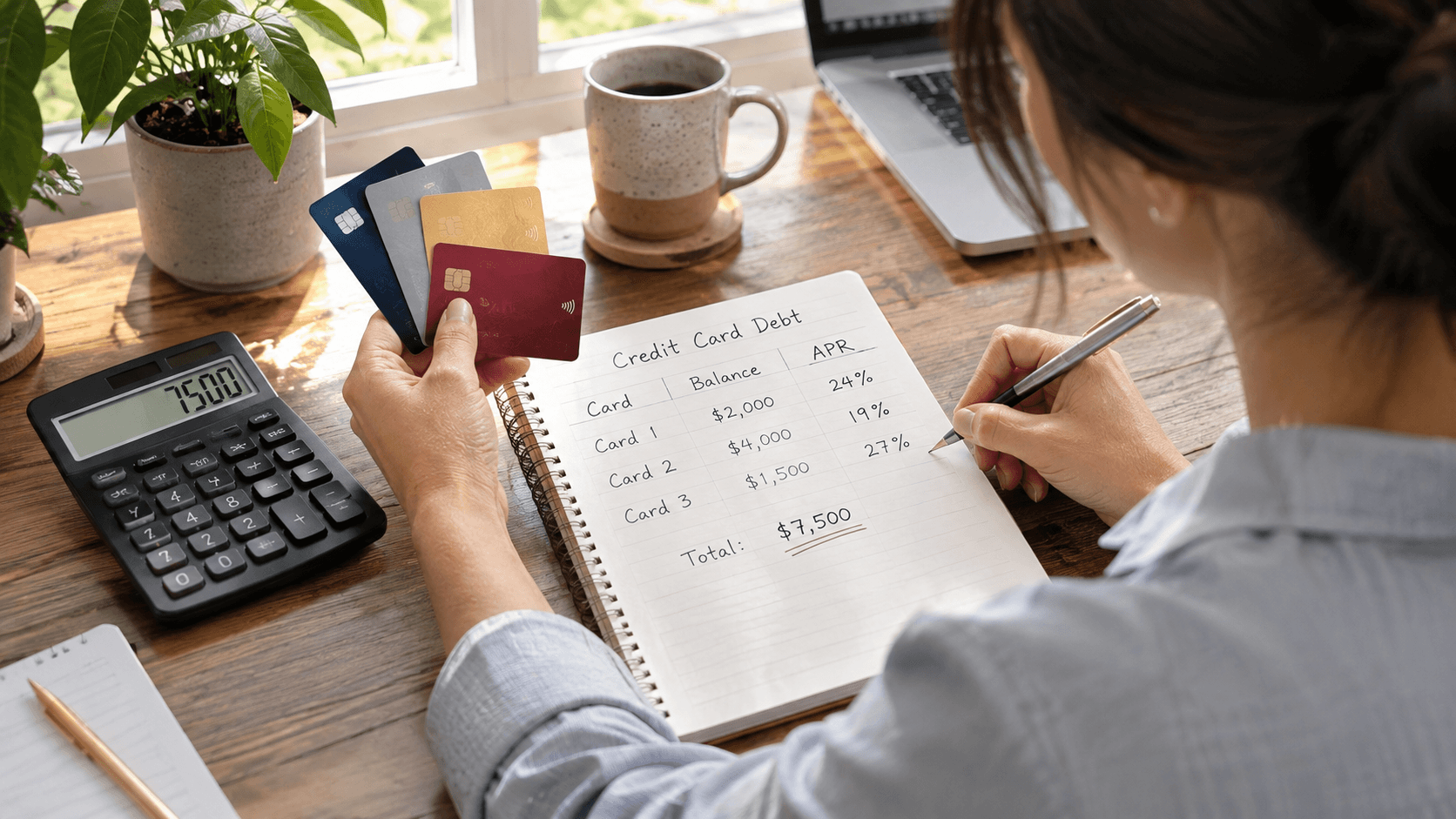
If you have high-interest credit card debt, consider building a small emergency cushion while continuing to make your debt payments on time. You can then prioritize reducing high-interest balances before expanding your long-term emergency savings. The right balance depends on your income and financial stability.
When Should You Use Your Emergency Fund?
Use your emergency fund for unexpected, necessary expenses that cannot reasonably wait, such as medical bills, essential vehicle repairs, or living costs during unemployment. Planned purchases and vacations should have separate savings budgets.
Conclusion
Understanding how to build an emergency fund does not mean you need to save thousands of dollars immediately. Start with an affordable amount, keep your emergency savings in a separate account, and gradually increase your contributions as your finances improve.
Visit Lofita.vn for more practical guidance on managing expenses, saving money, and building a stronger financial foundation.



Comments 0