

Wondering how to pay off credit card debt when your balance barely decreases despite making monthly payments? High interest rates can make repayment more expensive and time-consuming than expected. In this guide, Lofita.vn explains five practical steps to reduce credit card debt, save on interest, and choose a repayment strategy that fits your budget.
How to Pay Off Credit Card Debt Faster: 5 Practical Steps
Paying off credit card debt faster requires more than making payments on time. You need to know which balances to prioritize, how to reduce interest charges, and how much you can realistically afford to pay each month.
Step 1. Check Your Total Debt and Interest Rates
Start by listing the outstanding balance, annual percentage rate (APR), minimum payment, and due date for every credit card you owe.
For example, suppose you have three cards:
| Credit Card | Balance | APR |
|---|---|---|
| Card A | $2,000 | 24% |
| Card B | $4,000 | 19% |
| Card C | $1,500 | 27% |
Your total credit card debt is $7,500. Having these numbers in one place makes it easier to identify which balance deserves attention first and create a manageable repayment plan.
Step 2. Choose the Avalanche or Snowball Method
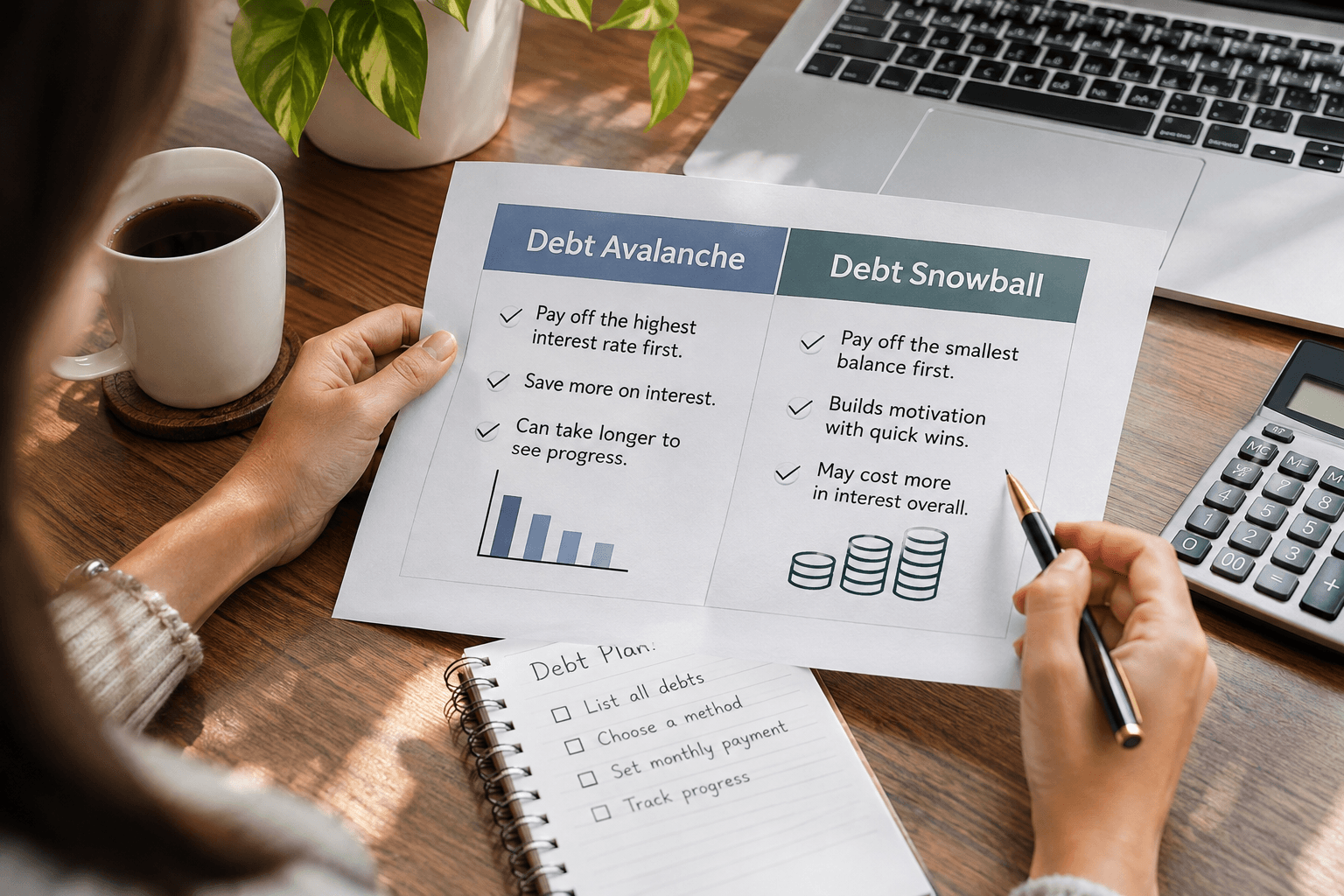
Two popular strategies can help you decide which credit card to pay off first:
-
Debt Avalanche: Prioritize the card with the highest APR to minimize interest costs.
-
Debt Snowball: Prioritize the card with the smallest balance to pay off individual debts sooner.
With either method, continue making minimum payments on your other cards and direct any extra money toward your priority balance. Once that card is paid off, move its payment amount to the next debt.

Step 3. Pay More Than the Minimum Payment
Making only minimum payments can keep you in debt longer because interest continues to accumulate.
For example, consider a $5,000 credit card balance with a 24% APR and no additional purchases:
-
Paying $150 per month: Approximately 56 months to become debt-free.
-
Paying $250 per month: Approximately 26 months to become debt-free.
These are illustrative estimates based on simplified monthly interest calculations. Actual results depend on your card's interest calculation method and any applicable fees.
Even adding $25–$50 to your monthly payment can help reduce your balance faster. Choose an amount you can consistently afford rather than committing to an unrealistic payment.

Step 4. Reduce Your Credit Card Interest
Lower interest rates allow more of each payment to go toward your outstanding balance instead of interest charges.
Consider these options:
-
Balance Transfer: Move existing debt to a credit card offering a promotional APR, potentially 0%, if you can repay the transferred balance before the promotional period ends. Check transfer fees and the APR that applies afterward.
-
Negotiate a Lower APR: Contact your credit card issuer and ask whether a lower interest rate is available.
If you are experiencing financial hardship, you can also ask your issuer about a hardship program that may offer temporary payment assistance.

Step 5. Avoid Adding New Debt
Continuing to make purchases on credit cards while paying down existing balances can make progress difficult.
Review unnecessary spending, cancel subscriptions you rarely use, and set aside a fixed amount in your monthly budget for debt repayment.
Whenever possible, avoid using cards that already carry balances. Paying everyday expenses with money available in your bank account can help prevent additional debt while you work toward becoming debt-free.
Which Credit Card Debt Payoff Method Works Best?
The right approach depends on your balances, interest rates, monthly budget, and financial circumstances.
If you can afford the minimum payments on all your cards, Debt Avalanche and Debt Snowball are two useful ways to organize repayment. If interest costs or financial hardship are making repayment difficult, additional assistance may be worth considering.
| Your Situation | Recommended Option | Main Benefit |
|---|---|---|
| Multiple cards with high APRs | Debt Avalanche | Reduces total interest costs |
| Want to eliminate smaller balances first | Debt Snowball | Builds motivation through early progress |
| Can repay debt during a promotional APR period | Balance Transfer | May lower interest charges |
| Cannot afford minimum payments | Hardship Program | May provide temporary payment assistance |
Debt Avalanche generally makes more financial sense when minimizing interest is your priority. Debt Snowball may work better if seeing smaller debts disappear helps you stay motivated.
Balance transfers and hardship programs serve different purposes. They are supporting options rather than methods for determining which debt to repay first.

What to Do If You Cannot Pay Off Your Credit Card Debt
If your income no longer covers your minimum credit card payments, contact your card issuer before missing a payment whenever possible.
Some issuers offer hardship programs that may temporarily reduce interest rates, adjust payment arrangements, or provide other assistance to eligible customers.
You can also consider working with a reputable nonprofit credit counseling organization in the United States. A counselor may help you review your budget and determine whether a debt management plan is appropriate.
Be cautious of companies promising to eliminate debt quickly or instructing you to stop paying creditors. Such arrangements may involve fees, damage your credit, or create additional financial problems.

Frequently Asked Questions
What Is the Fastest Way to Pay Off Credit Card Debt?
The fastest practical approach is usually to stop adding new debt, increase your monthly payments, and prioritize balances with high interest rates. Lowering your APR may also accelerate repayment.
Should I Pay Off Credit Card Debt or Save Money First?
Consider maintaining a small emergency fund while paying down high-interest credit card debt. Emergency savings can help you avoid relying on credit cards again when unexpected expenses arise.
Does Paying Off Credit Card Debt Improve Your Credit Score?
Paying down credit card balances may improve your credit score by lowering your credit utilization ratio. However, the actual impact depends on your payment history and other factors in your credit profile.
Conclusion
Learning how to pay off credit card debt starts with understanding your balances, choosing a repayment strategy, and making consistent payments above the minimum whenever possible. Reducing interest charges and avoiding new debt can also help you reach your goal sooner.
Explore more practical debt management and personal finance guidance at Lofita.vn to build healthier financial habits and work toward long-term financial stability.




Comments 0