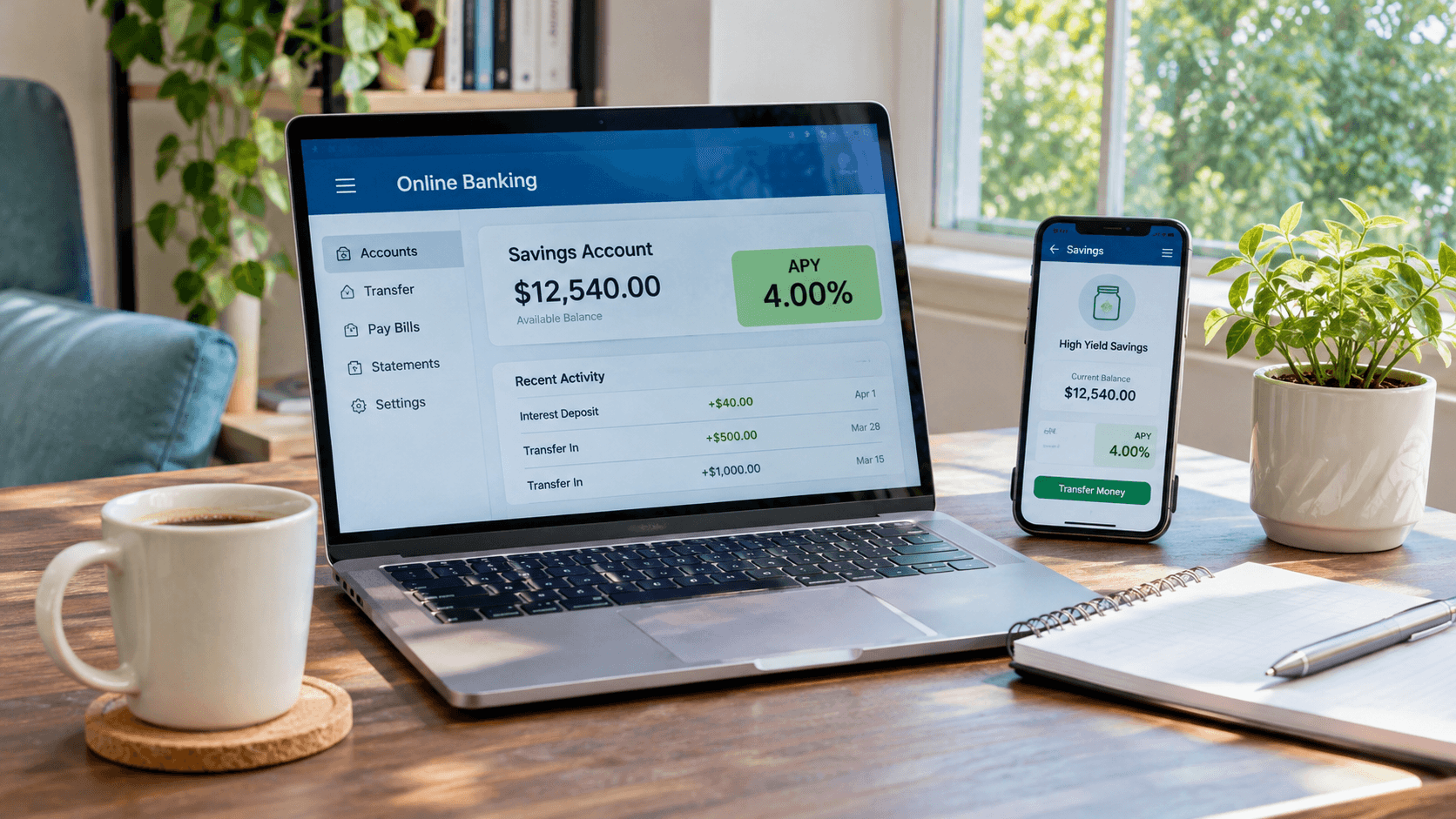
Is your money sitting in a savings account that earns barely any interest? A high yield savings account could help your savings grow faster while keeping your money accessible when you need it. In this guide, Lofita.vn explains how these accounts work, their benefits and drawbacks, and what to consider before opening one in the United States.
What Is a High Yield Savings Account?
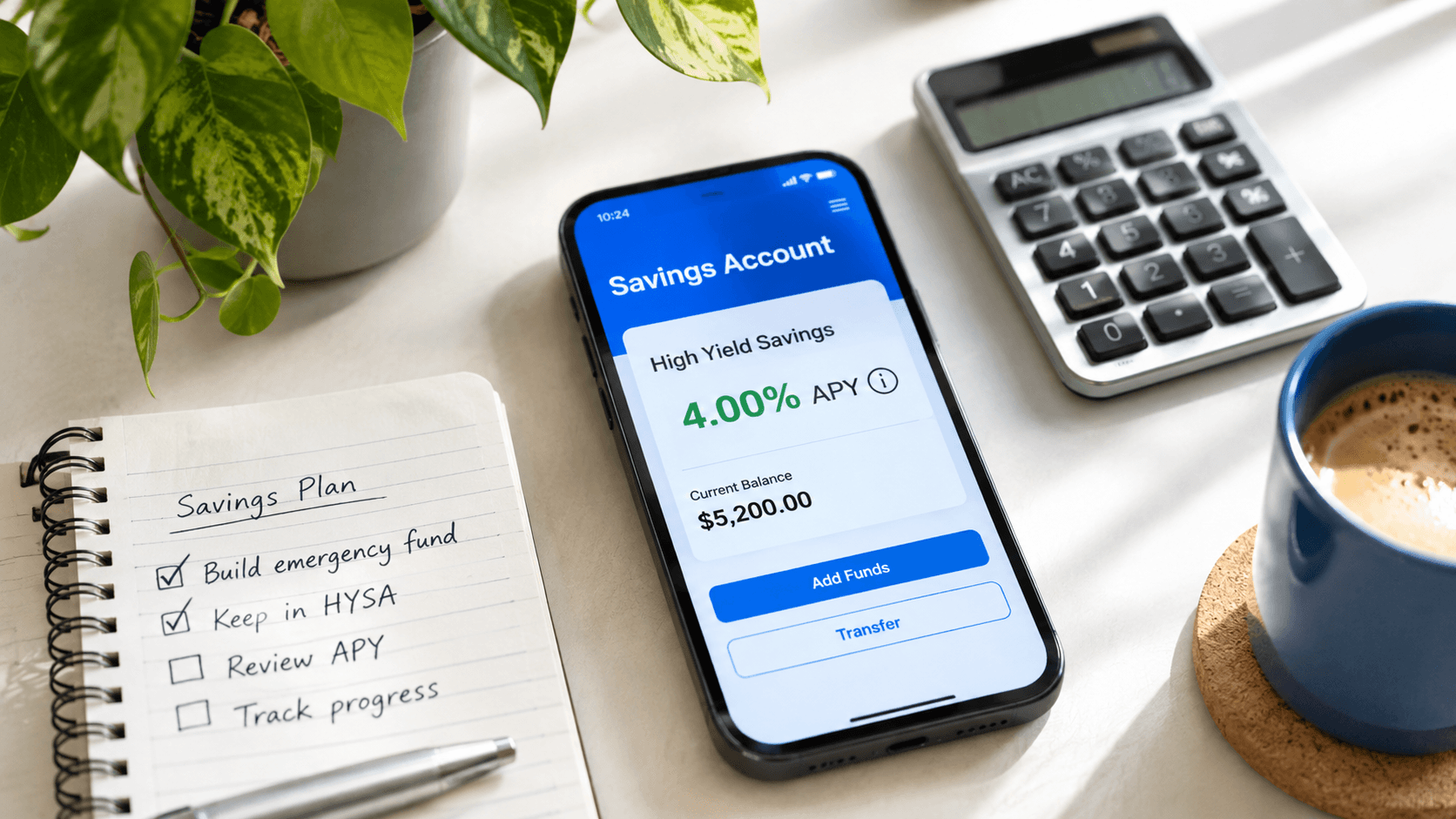
A high yield savings account (HYSA) is a savings account that typically offers a higher interest rate than a traditional savings account. These accounts are commonly available through online banks, although some traditional banks and credit unions offer them as well.
One major advantage is that your money can earn interest without being exposed to stock market fluctuations. However, interest rates are variable and may change over time.
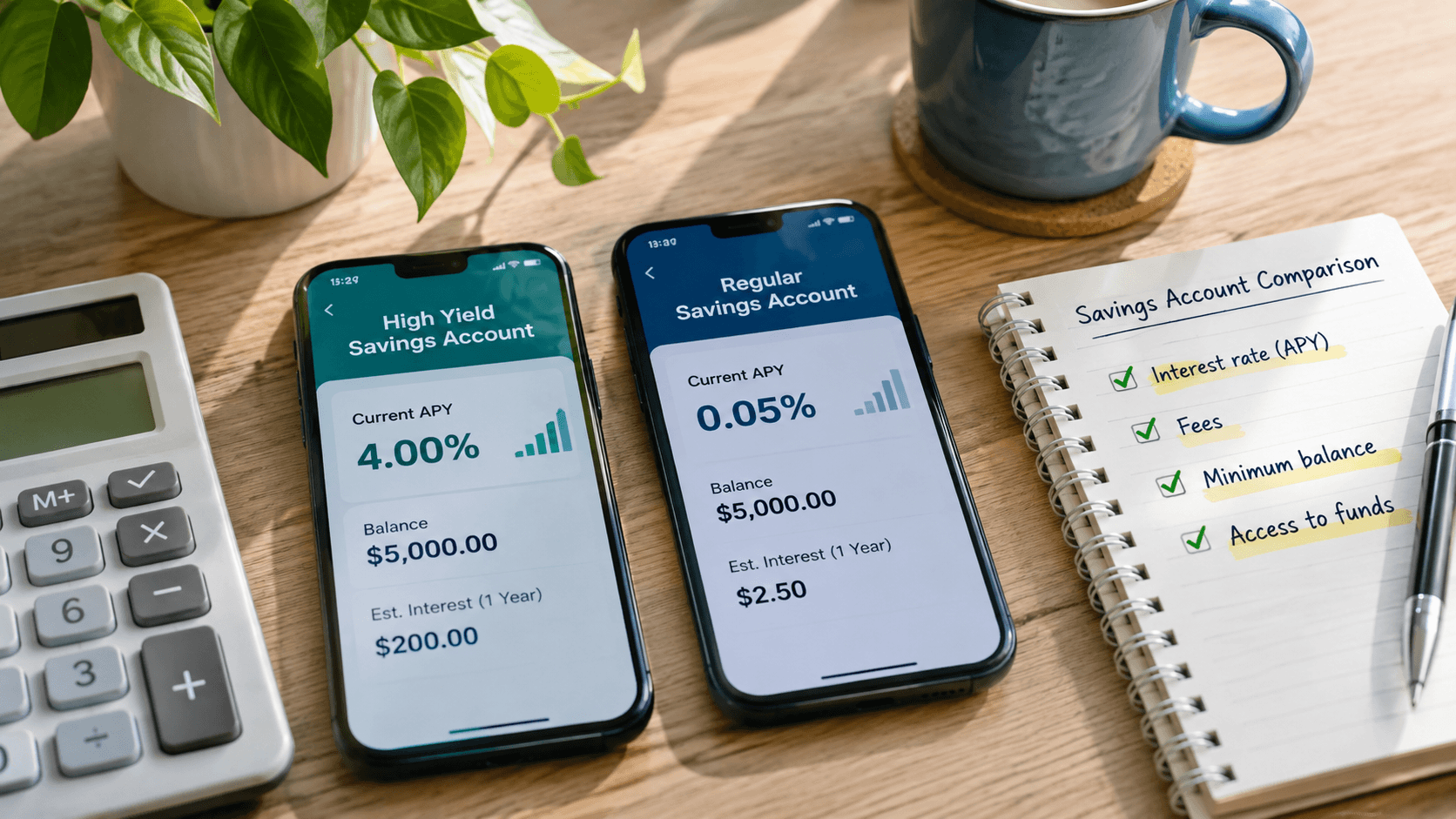
For example, a regular savings account offering a 0.05% annual percentage yield (APY) would earn much less interest than an HYSA offering 4% APY on the same $5,000 deposit.
These rates are hypothetical examples, not current offers from specific financial institutions.
If your account is held at an FDIC-insured bank or a federally insured credit union, eligible deposits may also receive protection within applicable insurance limits.
How Does a High Yield Savings Account Work?
An HYSA works much like a regular savings account. You deposit money, earn interest based on the account's terms, and watch your balance grow over time.
How Interest and APY Work
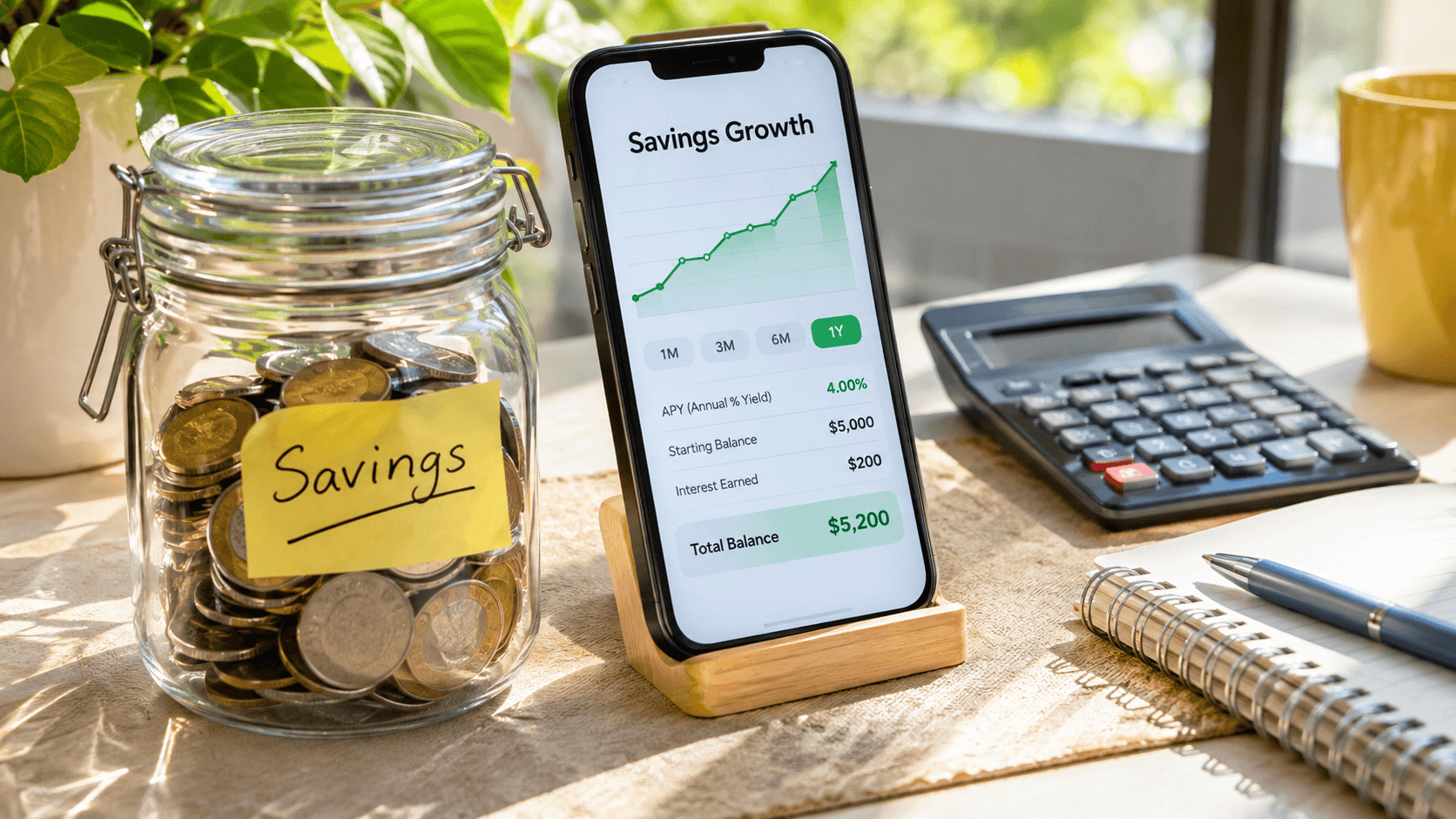
APY stands for Annual Percentage Yield. It represents the annual return on your savings, including the effect of compound interest.
Suppose you deposit $5,000 into an HYSA offering 4% APY. If that APY remains unchanged for a full year, you make no additional deposits or withdrawals, and there are no fees, you would earn approximately $200 in interest.
Your balance would increase to around $5,200.
However, most high yield savings accounts have variable rates. If the bank lowers its APY during the year, your actual earnings may be lower.
How to Deposit and Withdraw Money
You can usually fund an HYSA by linking it to a checking account and transferring money electronically. Some institutions also support other deposit methods.
When you need your savings, you can typically transfer money back to your linked checking account.
Transfer times vary by bank and payment method. Some transfers are processed quickly, while others may take several business days.
It's also worth checking the bank's withdrawal policies, since certain accounts may have transaction limits or restrictions.
Is Your Money Safe in a High Yield Savings Account?
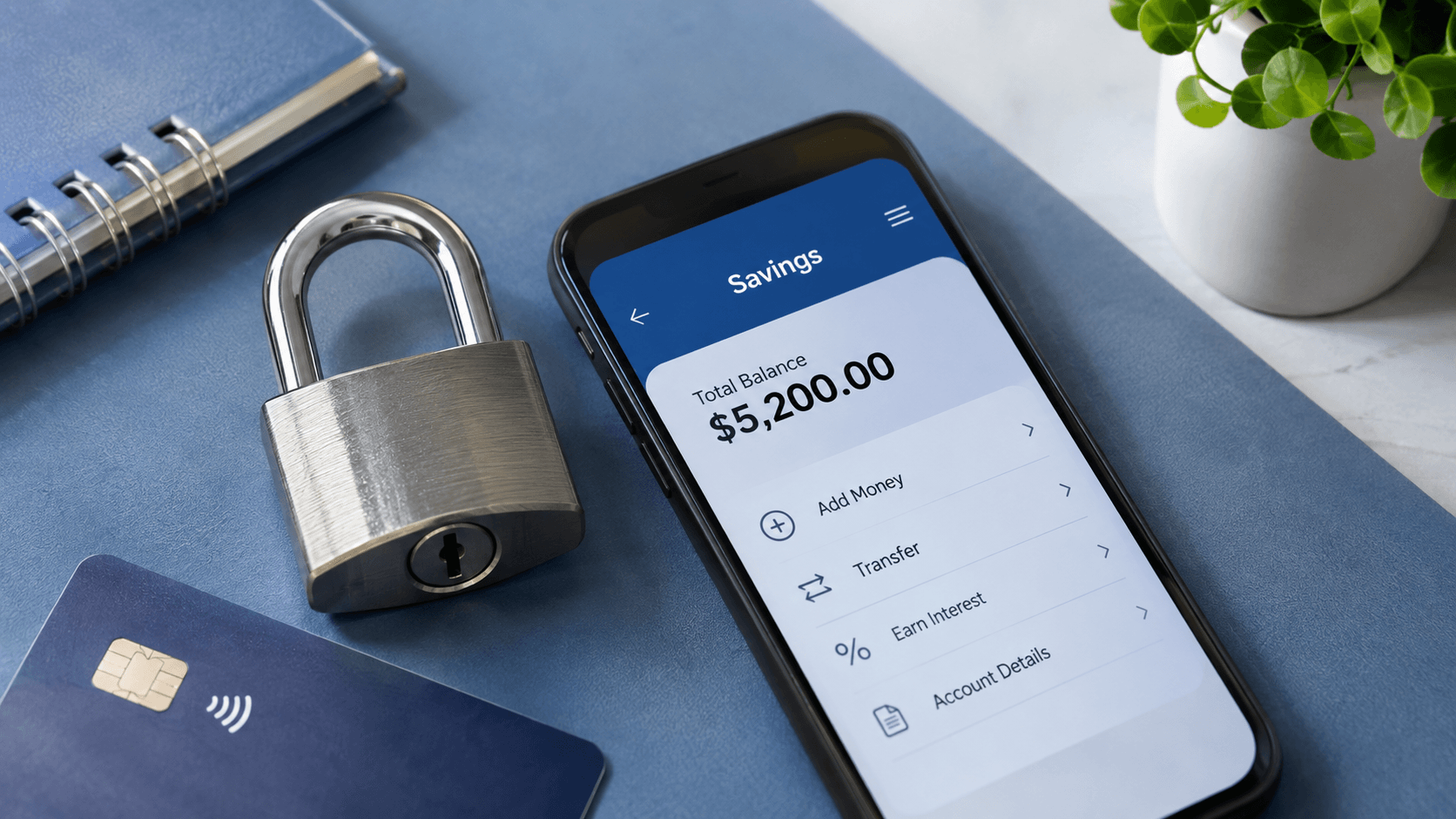
A high yield savings account can be a relatively safe place to keep money when it is covered by appropriate deposit insurance.
In the United States, the FDIC generally insures eligible deposits up to $250,000 per depositor, per insured bank, for each account ownership category.
The NCUA provides similar standard coverage for eligible deposits at federally insured credit unions.
Before opening an account, verify that the institution and your deposits qualify for coverage.
Remember that deposit insurance protects eligible deposits within applicable limits. It does not guarantee that your interest rate will remain unchanged.
High Yield Savings Account vs. Regular Savings Account
Both account types allow you to save money and earn interest, but there are some important differences.
| Feature | High Yield Savings Account | Regular Savings Account |
|---|---|---|
| APY | Typically higher | Typically lower |
| Monthly fees | Varies by institution | Varies by institution |
| Minimum balance | May have no requirement | Depends on the account |
| Withdrawals | Subject to account policies | Subject to account policies |
| Deposit insurance | Available when eligible | Available when eligible |
| Branch access | May be limited | Often more accessible |
An HYSA may be more attractive if you plan to keep money in savings for several months and want to earn more interest.
However, a traditional savings account might be more convenient if you frequently need in-person banking services.
The best choice depends on your priorities, including interest rates, fees, accessibility, and banking preferences.
How to Choose a High Yield Savings Account
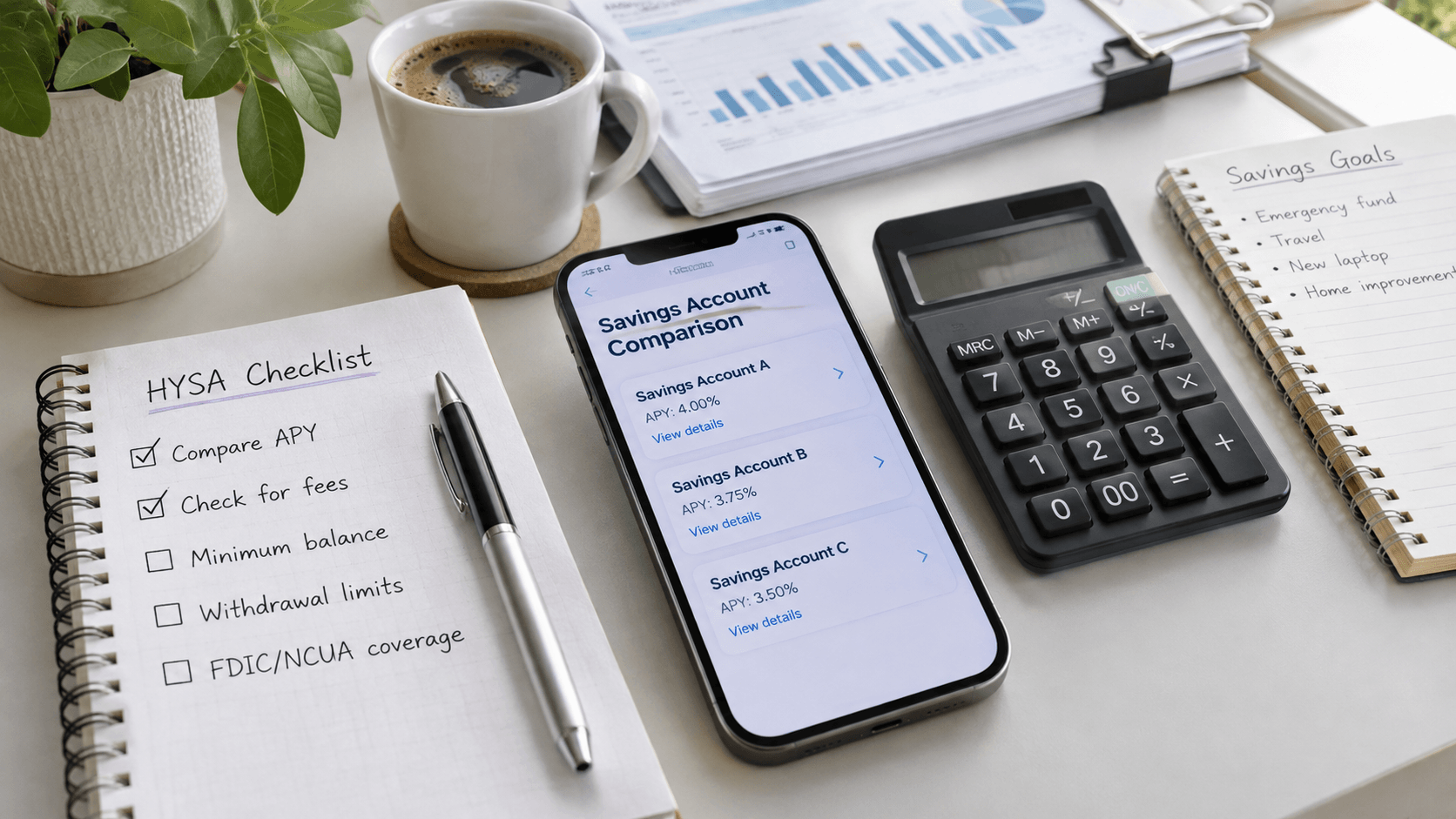
When choosing a high yield savings account, don't focus only on the advertised interest rate. Consider these three factors:
-
APY and account fees: Compare current interest rates, maintenance fees, and any requirements for earning the advertised APY.
-
Minimum balance requirements: Look for an account with balance requirements that fit your budget and won't trigger unnecessary fees.
-
Withdrawal options and deposit insurance: Review transfer times, transaction restrictions, and whether eligible deposits are covered by FDIC or NCUA insurance.
The right HYSA isn't necessarily the one with the highest APY. It should offer a reasonable balance of earnings, costs, and access to your money.
If you plan to use your HYSA for unexpected expenses, prioritize an account that keeps your savings accessible. You can also learn how to build an emergency fund to set a realistic savings goal and prepare for financial emergencies.
Frequently Asked Questions
Is a High Yield Savings Account Worth It?
An HYSA can be worthwhile if you want to earn more interest while keeping your savings accessible. Compare APY, fees, and account conditions before opening one.
Can You Lose Money in a High Yield Savings Account?
Eligible deposits are protected within applicable insurance limits. However, account fees can reduce your balance, and inflation may decrease your savings' purchasing power.
Do You Pay Taxes on High Yield Savings Account Interest?
Yes. HYSA interest is generally subject to federal income tax in the United States and may also be subject to state income tax, depending on your circumstances.
Conclusion
A high yield savings account can help your money earn more interest than a traditional savings account. However, a competitive APY isn't the only factor worth considering. Account fees, withdrawal policies, and deposit insurance also matter.
Explore Lofita.vn for more practical personal finance guidance to help you manage savings, compare financial options, and make informed decisions about your money.


Comments 0