
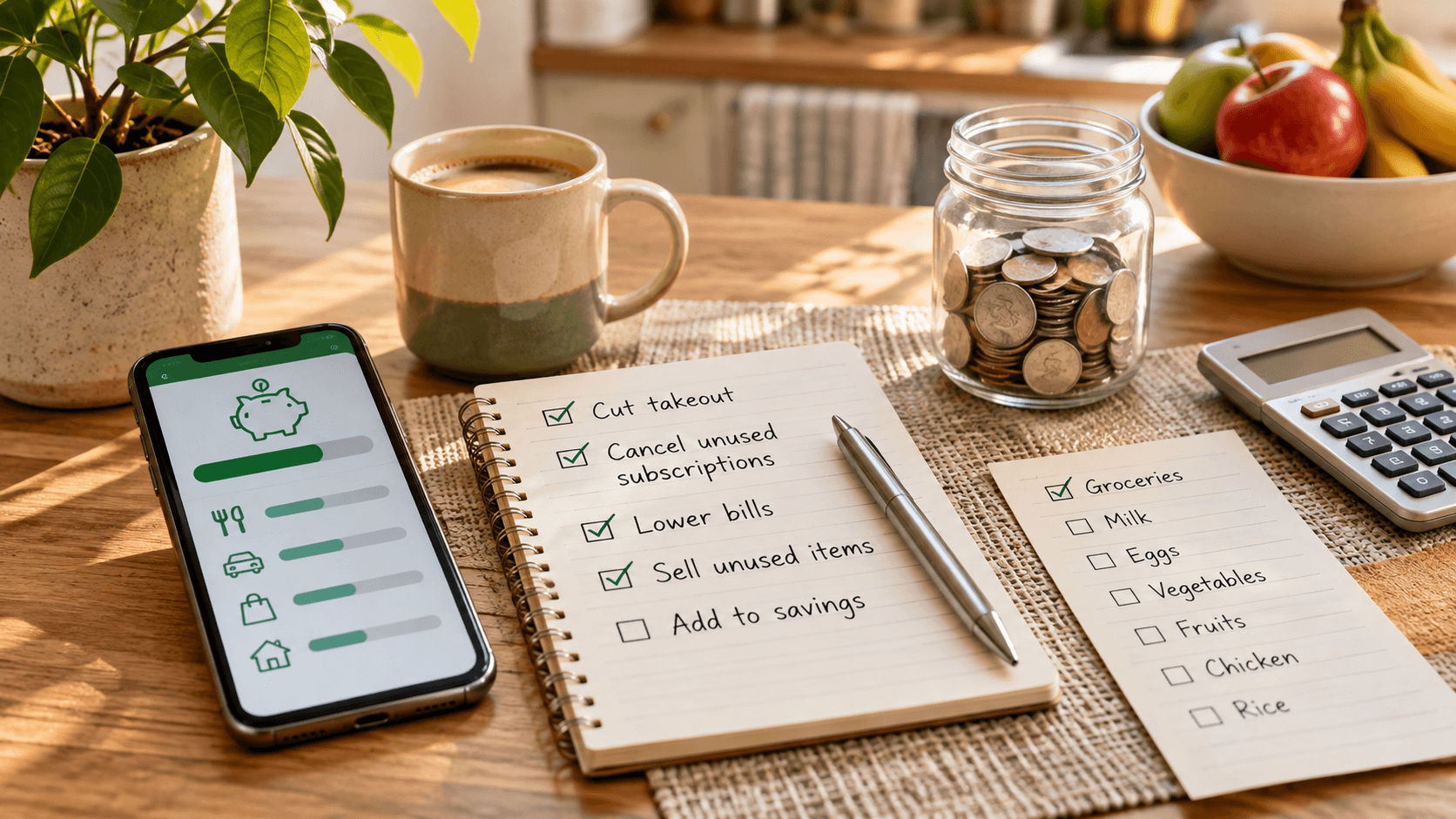
Want to save $500, but rent, groceries, and monthly bills take up most of your paycheck? You don't need to cut every expense to start making progress. In this guide, Lofita.vn explains how to save money fast with seven practical strategies and a simple plan to help you keep more money over the next 30 days.
How to Save Money Fast: 7 Changes You Can Make Today
The fastest way to start saving is to identify expenses you can reduce or eliminate without affecting your essential needs. Here are seven changes you can make right away.
1. Stop Unnecessary Spending for 7 Days
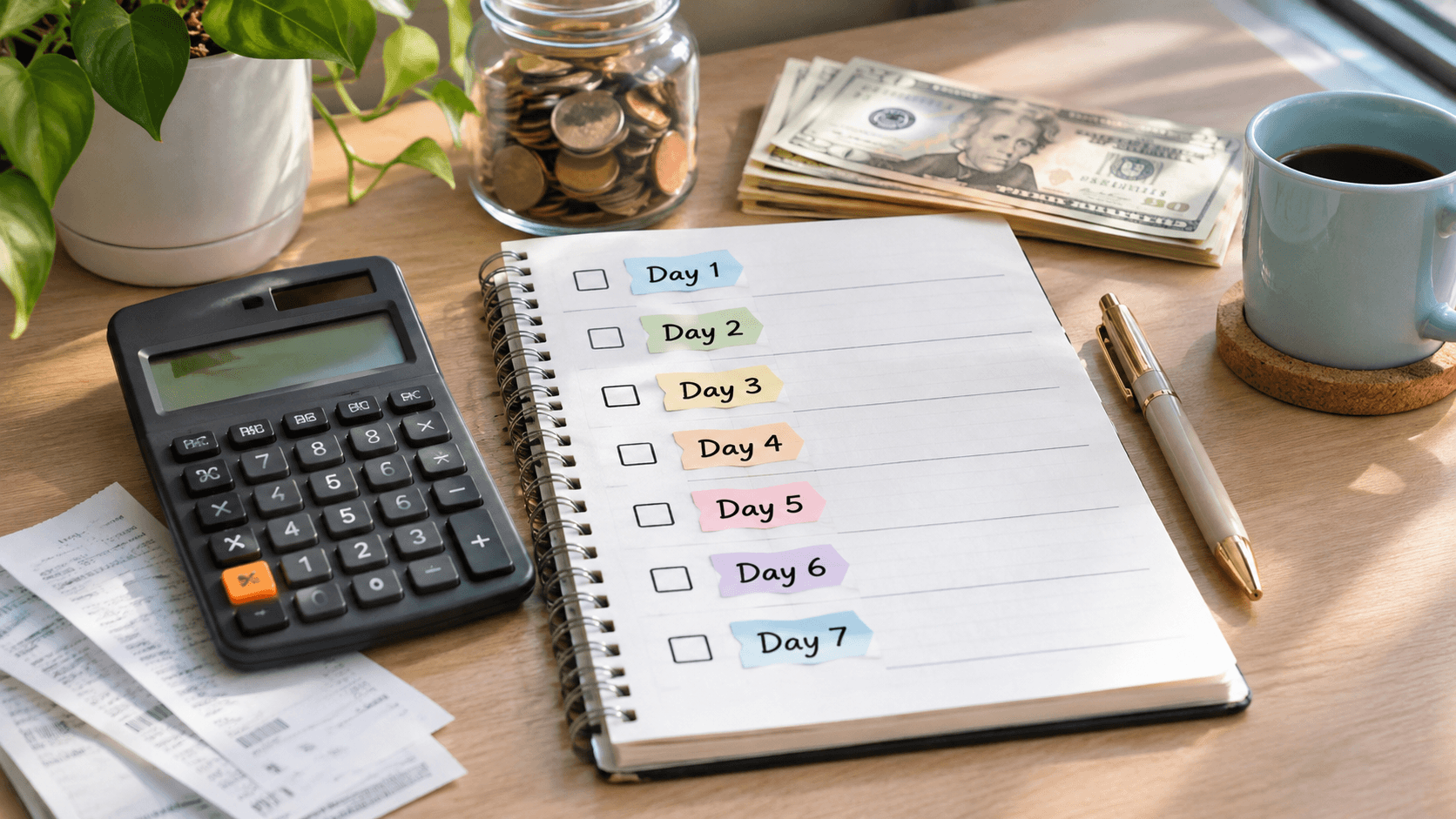
Try pausing nonessential purchases for one week. This includes new clothes, home decorations, or items you only considered buying because they were on sale.
Before making a purchase, ask yourself whether you actually need it right now. If it can wait another week, add it to a list instead of checking out immediately.
For example, if you typically spend $15 a day on unplanned purchases, avoiding those expenses for seven days could leave you with up to $105.
However, don't apply this challenge to groceries, medication, transportation to work, or other essential expenses.
2. Cancel Subscriptions You Rarely Use
Streaming services, paid apps, software subscriptions, and memberships can quietly drain your budget through automatic renewals.
Review your bank transactions from the past 30 days and identify services you no longer use regularly.
Canceling two unused subscriptions costing $10 and $15 per month could reduce your recurring expenses by $25. Check renewal dates and refund policies, since the savings may not take effect until your next billing cycle.
3. Cut Takeout and Grocery Costs

Food spending is one of the easiest areas to adjust during your first week.
Instead of ordering delivery frequently, prepare a few simple meals at home, use ingredients you already have, and bring lunch to work when practical.
For example, replacing two $20 takeout meals with homemade meals costing $8 each would save $24.
Before grocery shopping, check your refrigerator, make a shopping list, and compare unit prices. The goal is to reduce waste and unnecessary spending, not sacrifice nutrition.
4. Sell Items You No Longer Need
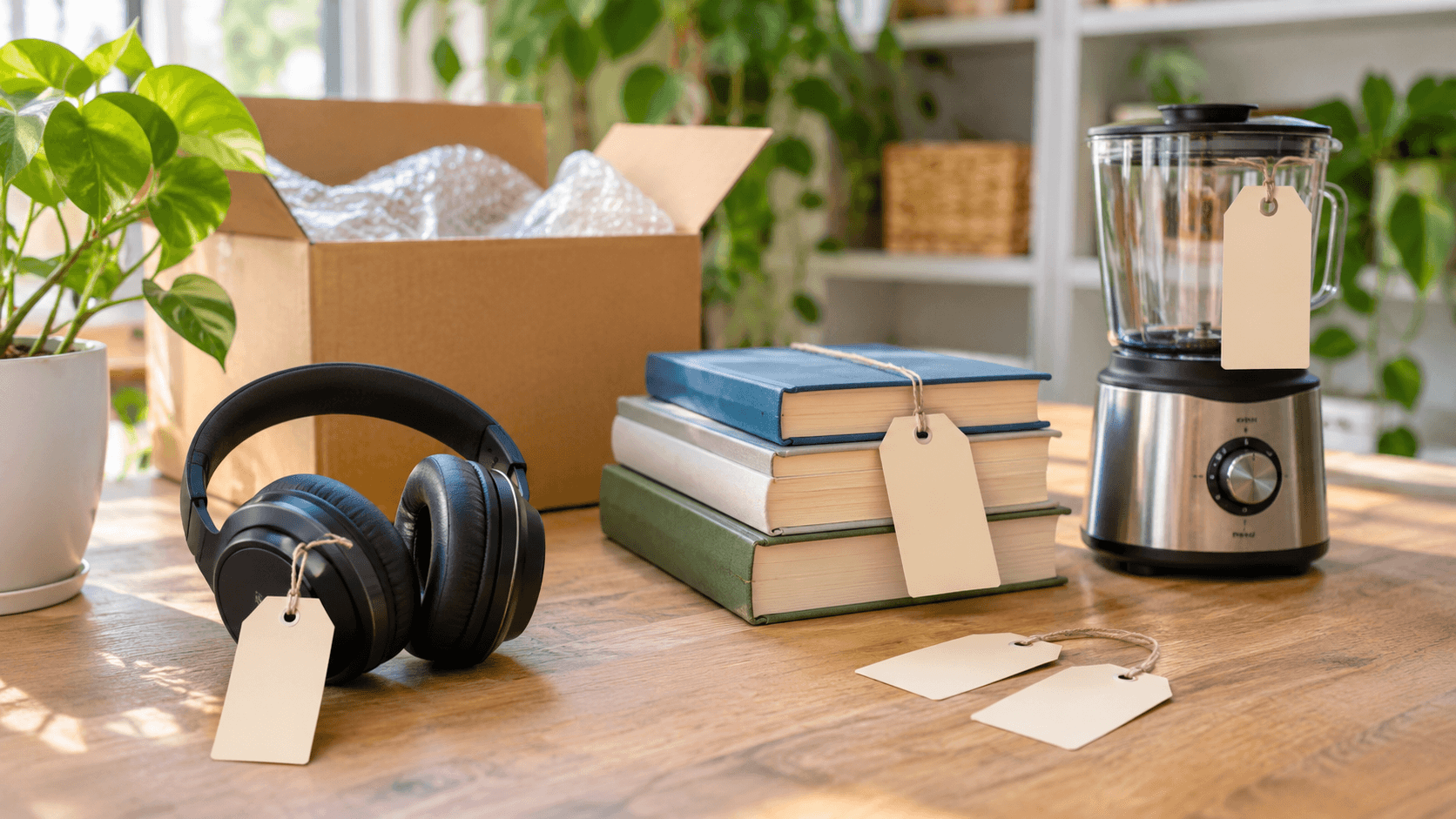
If you need extra money quickly, look around your home for clothes, electronics, books, or household items you no longer use.
You can list these items on Facebook Marketplace or other secondhand selling platforms available in the United States.
For instance, selling an old pair of headphones for $40 and several household items for another $60 could bring in $100.
Remember that selling belongings generates one-time income, not recurring monthly savings. Actual earnings depend on the items' condition and buyer demand.
5. Lower Bills and Recurring Expenses
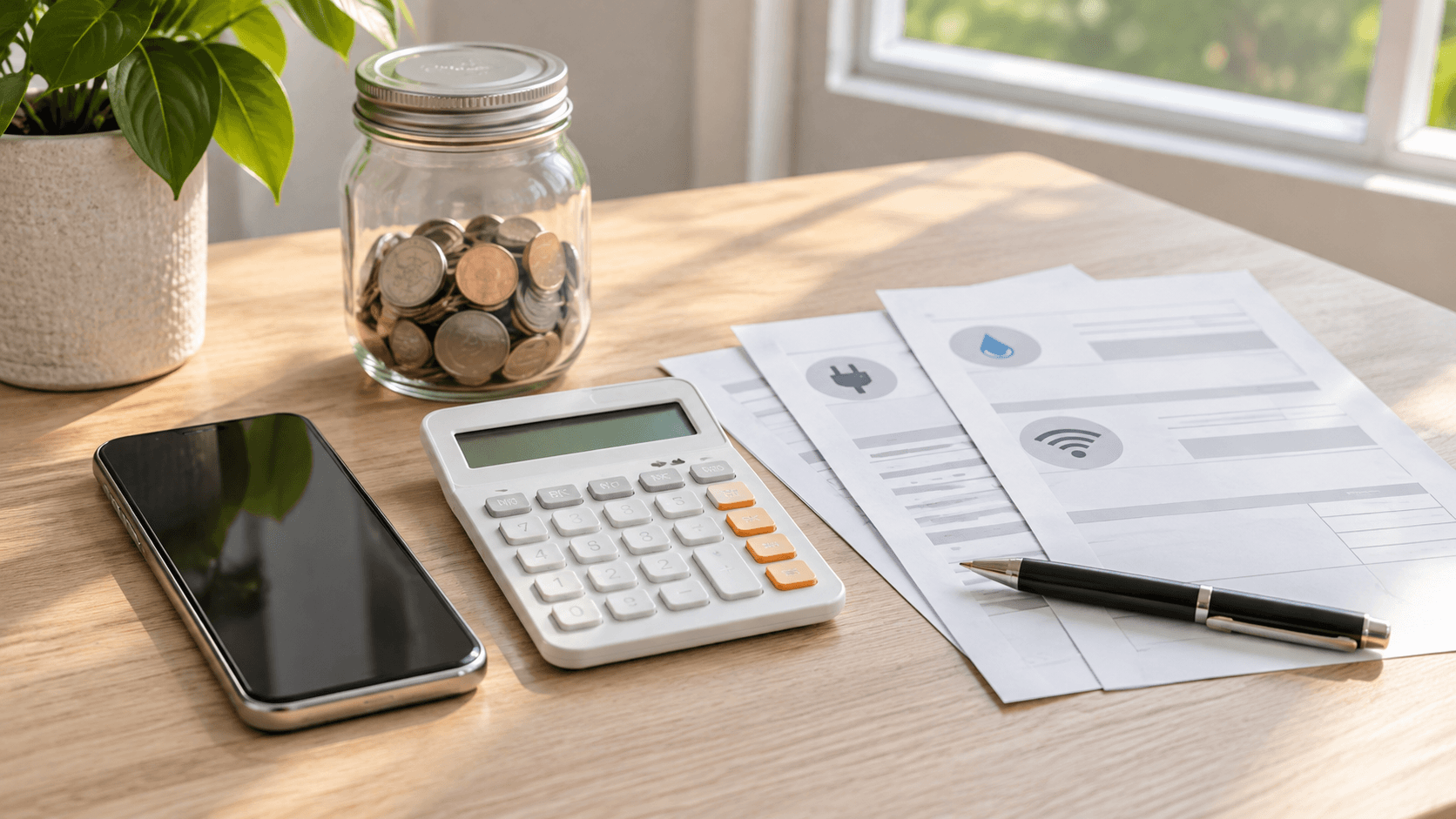
Review your phone, internet, and other recurring bills to see whether you're paying for features or services you don't need.
Compare your current plans with available alternatives or contact your providers to ask about lower-cost options.
For example, switching from a $65 phone plan to a $50 plan could save $15 per month if the cheaper option still meets your needs.
Before switching, check cancellation fees, promotional expiration dates, and contract terms to avoid unexpected charges.
6. Use Discounts Only on Planned Purchases
Coupons, cash-back offers, and store promotions can reduce costs when you're buying something already included in your budget.
However, purchasing extra items just to qualify for a discount isn't saving money.
For example, buying a necessary $50 item for $40 saves you $10. But purchasing an unnecessary $40 item still means spending $40 you could have kept.
Always compare the final price, including shipping fees and any promotional conditions.
7. Move the Money You Save Into a Separate Account
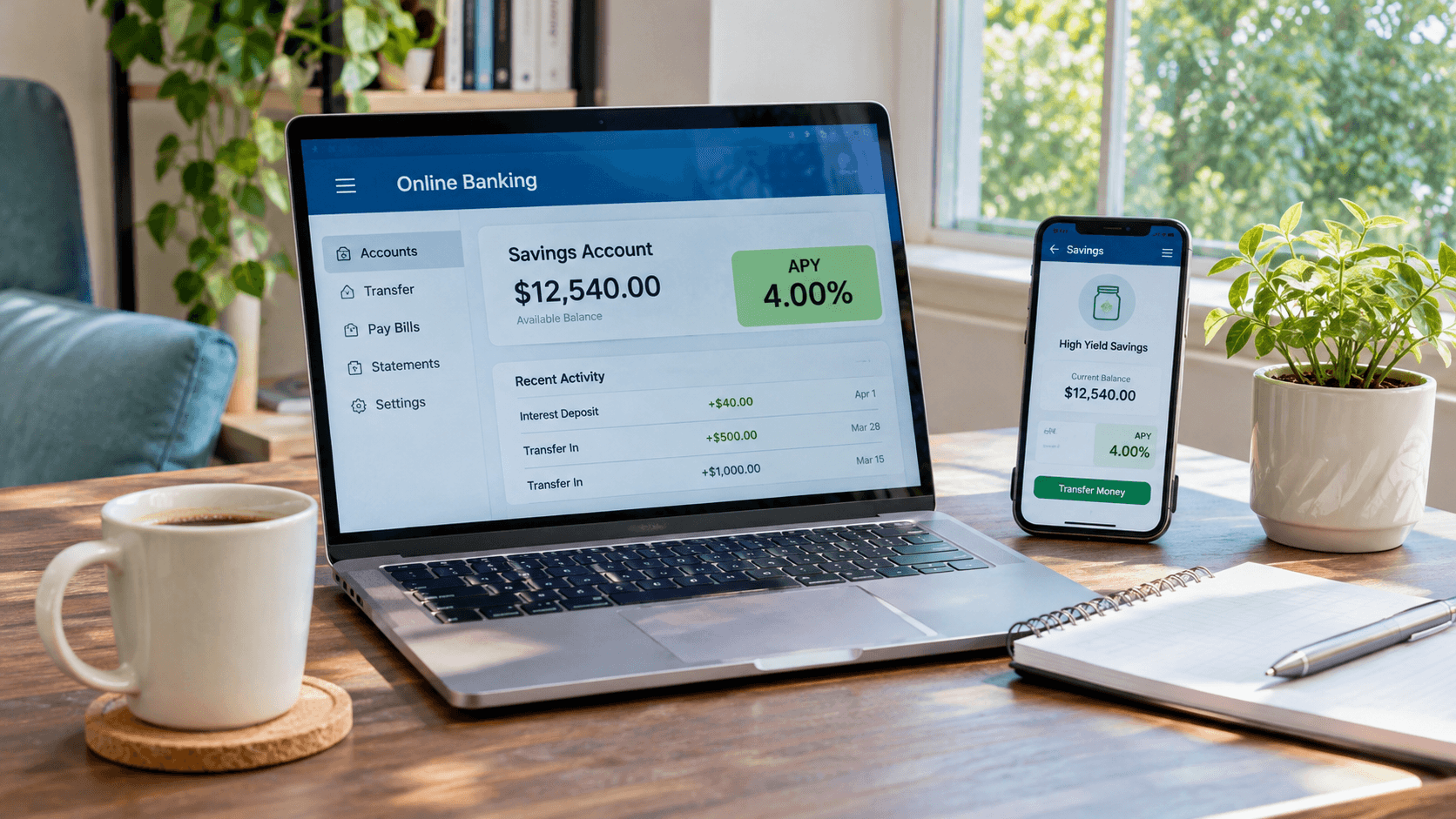
Whenever you reduce an expense, transfer the amount you saved into a separate savings account instead of leaving it in your everyday spending balance.
For example, if you save $24 on takeout and avoid an unplanned $30 purchase, you could transfer $54 into savings.
You don't have to wait until the end of the month. Moving money as it becomes available helps you track your progress and makes it less tempting to spend those savings elsewhere.
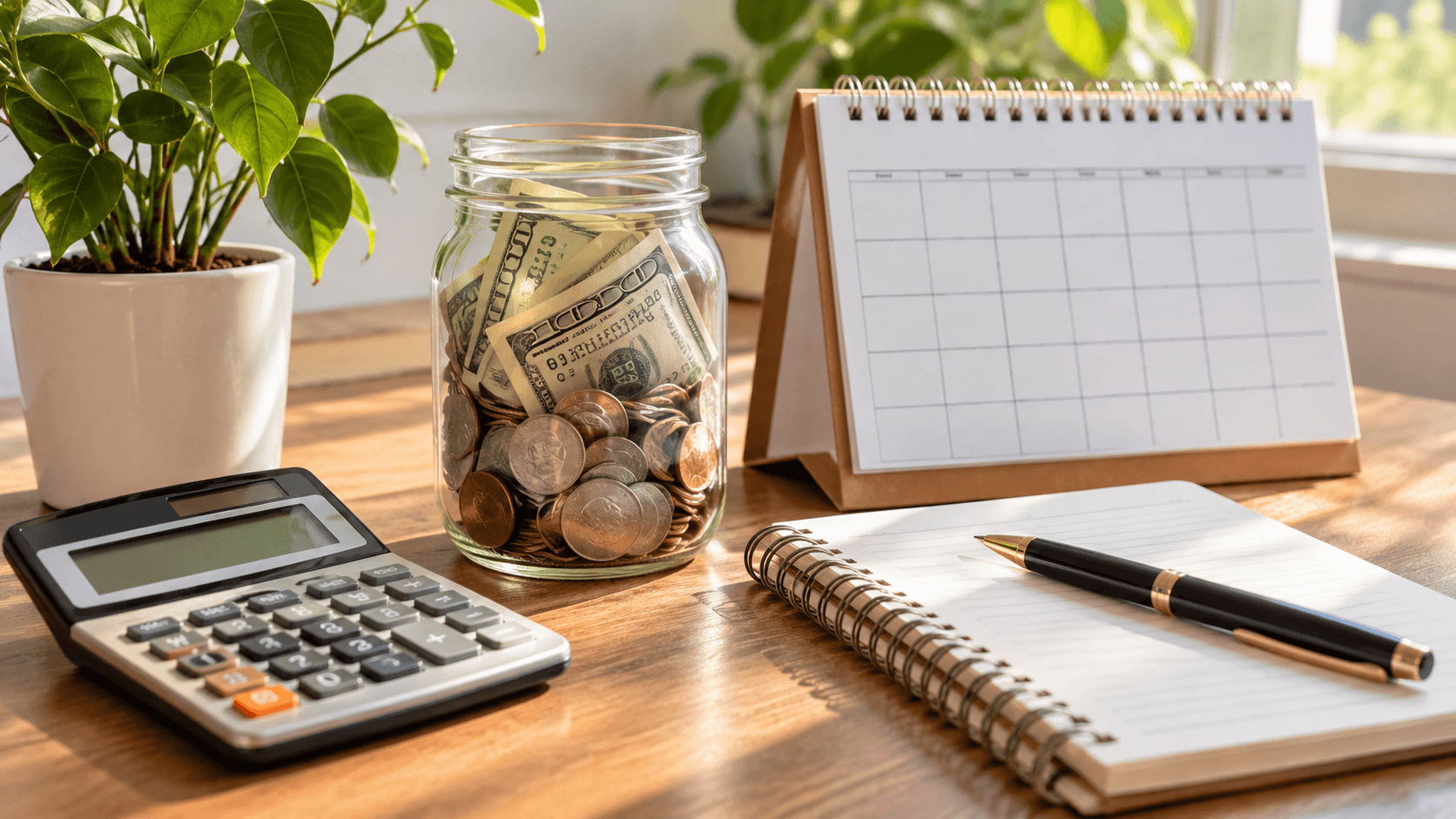
How Much Can You Realistically Save in 30 Days?
How much you can save in one month depends on your current spending habits and the expenses you're able to change.
Here's an example of a realistic 30-day savings plan:
| Expense Adjustment | Potential Amount |
|---|---|
| Reduce takeout spending | $80 |
| Cancel unused subscriptions | $25 |
| Cut nonessential shopping | $75 |
| Lower grocery costs | $40 |
| Sell unused belongings | $100 |
| Total | $320 |
These figures are illustrative, not guaranteed. The $320 total includes $220 in reduced expenses and $100 in one-time income from selling belongings. Subscription savings count only if they take effect within the 30-day period.
If your goal is to set aside $500 over approximately four weeks, you'll need to keep an average of $125 per week.
You can combine spending reductions with money earned from selling unused items, but avoid setting a target that requires skipping essential expenses.
Most importantly, track the money that actually remains in your account rather than simply adding up expenses you intended to reduce.
Frequently Asked Questions
How Can I Save $500 Fast?
Break your $500 goal into $125 per week over four weeks. Combine reduced nonessential spending with selling unused items to reach your target sooner.
How Can I Save Money Fast on a Low Income?
Start by reducing small, flexible expenses such as unused subscriptions or unplanned purchases. Keep enough money available for essential bills and everyday needs.
Where Should I Keep the Money I Save?
Keep your savings in a separate, accessible account. If you're saving for unexpected expenses, learn how to build an emergency fund to set a realistic savings goal.
Conclusion
Learning how to save money fast doesn't mean eliminating every expense at once. Start with costs you can change today, follow the seven-day action plan, and review how much you've actually saved after 30 days.
Visit Lofita.vn for more practical guidance on managing your budget, reducing expenses, and building healthier long-term financial habits.



Comments 0