
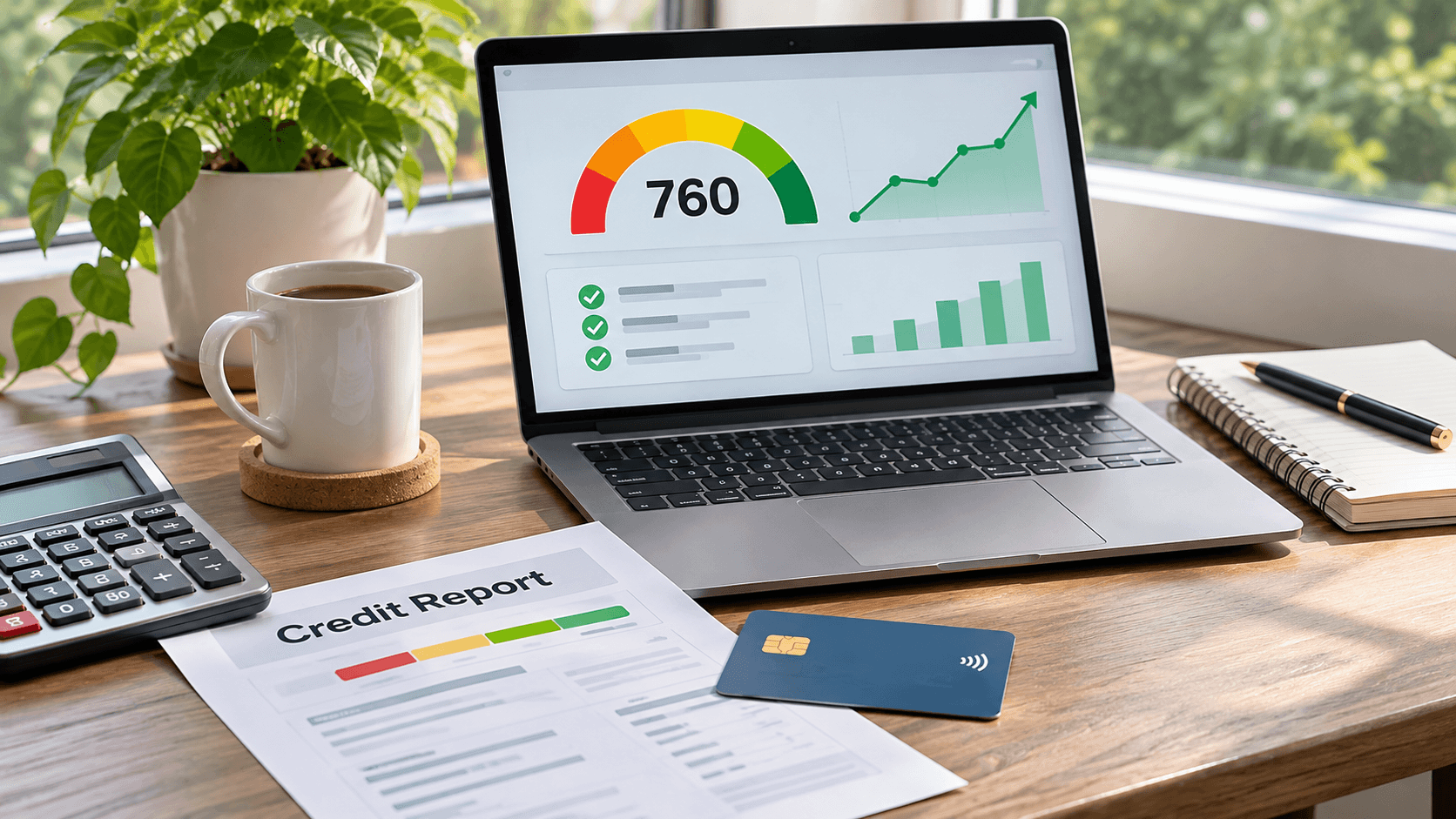
You always pay your credit card bills on time, but your credit score isn't improving. Sometimes, it even drops. The problem might be your reported balance or how much of your available credit you're using. If you're wondering how to improve your credit score, Lofita.vn explains what could be holding it back and what you can do about it.
Why Isn't Your Credit Score Going Up?
Paying your bills on time is important, but it doesn't automatically make your credit score increase. Credit scoring models such as FICO also consider your outstanding balances, credit utilization, credit history, and recently opened accounts.
For example, you might never miss a payment but regularly use most of your credit card limit. If your lender reports a high balance, your credit score could still be affected.
What to check: If your payment history looks good, start by reviewing your credit utilization and the balances appearing on your credit reports.
Your Credit Card Balance May Be the Problem
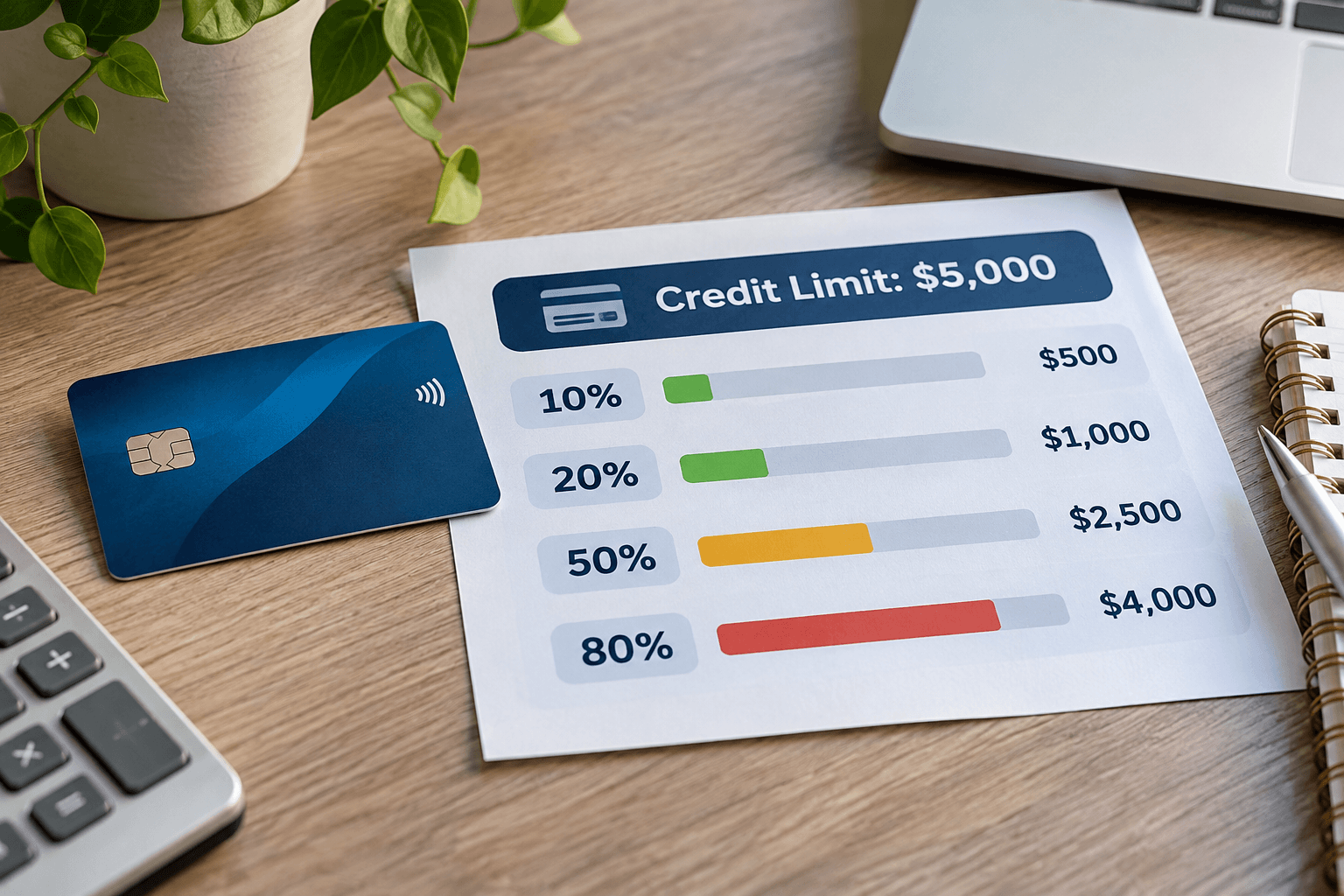
One factor people often overlook is credit utilization, which measures how much of your available revolving credit you're using.
Suppose you have a credit card with a $5,000 limit:
| Reported Balance | Credit Utilization |
|---|---|
| $4,000 | 80% |
| $2,500 | 50% |
| $1,000 | 20% |
| $500 | 10% |
If your card issuer reports a $4,000 balance, you're using 80% of your available credit. That could negatively affect your score compared with a reported balance of just $500, even if your payment history stays the same.
Credit scoring models may consider both your utilization on individual cards and your overall utilization across multiple cards.
What can you do?
If you're regularly using most of your credit limit, focus on reducing your outstanding balance. You can also consider making a payment before your card issuer reports your balance to the credit bureaus.
There isn't one perfect utilization percentage for everyone. However, lower reported utilization generally tends to be better for your credit score.
Paying in Full Doesn't Always Mean a Zero Reported Balance
You might pay your entire credit card bill on time and still see an outstanding balance on your credit report. That's because your statement closing date and payment due date are different.
Many credit card issuers report balances around the statement closing date, which can occur before you make your payment.
Here's an example:
| Date | Activity |
|---|---|
| Day 10 | You've made $2,000 in credit card purchases |
| Day 20 | Your statement closes with a $2,000 balance |
| Day 25 | You pay the full $2,000 |
| Day 30 | Your payment is due |
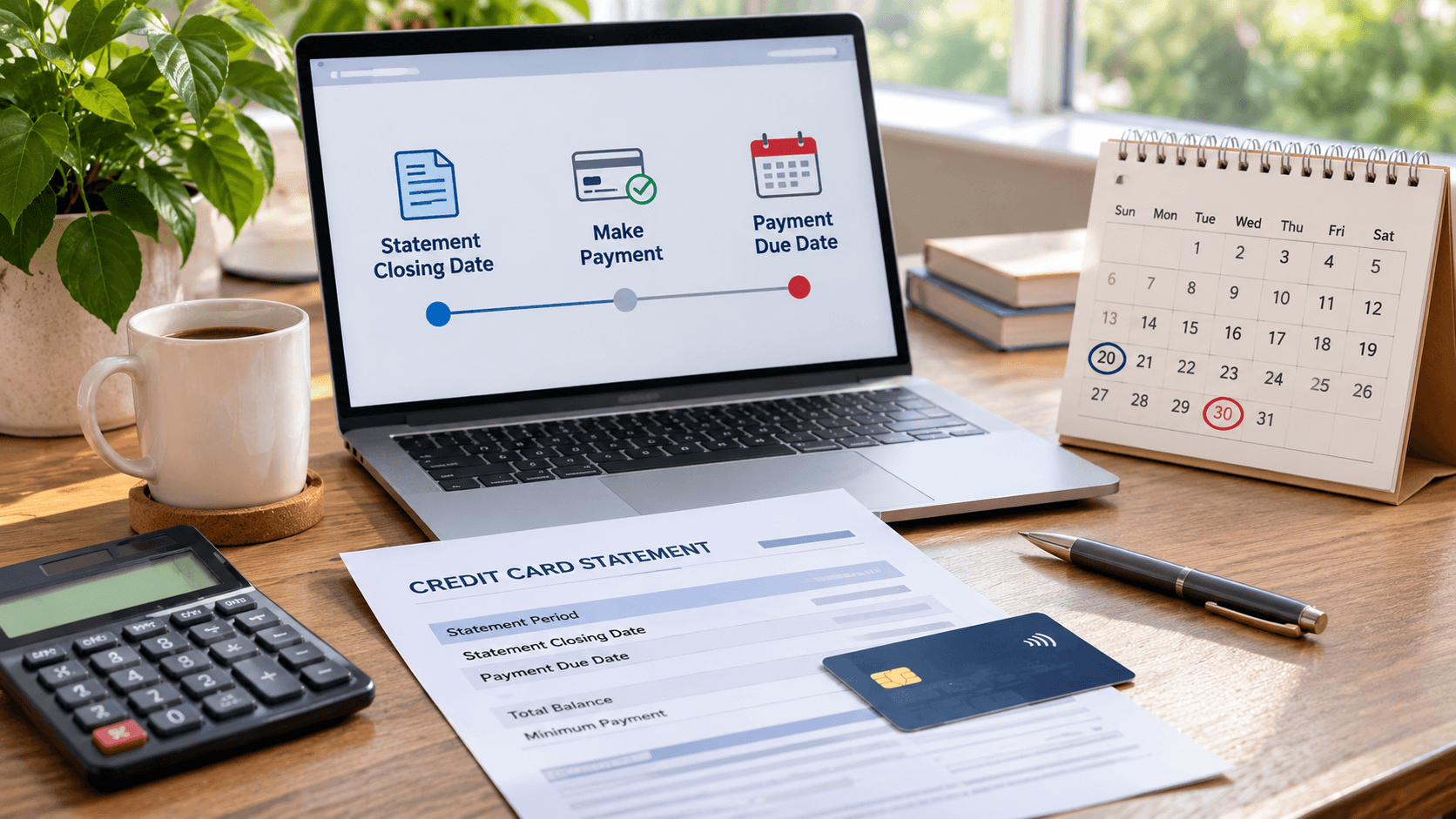
In this situation, you haven't missed a payment. However, if your issuer reports the balance on Day 20, your credit report may still show $2,000.
This explains why someone who consistently pays their statement balance in full can still have relatively high reported credit utilization.
What can you do? Check your statement closing date and ask your card issuer when it reports balances. If you want to lower your reported utilization, consider making an additional payment before that date.
You don't need to carry a balance or pay interest to build a good credit score.
4 Changes That Could Help Your Credit Score
If you're looking for practical ways to improve your credit score, these four steps address some of the most important factors in your credit profile.
1. Lower Your Reported Credit Utilization
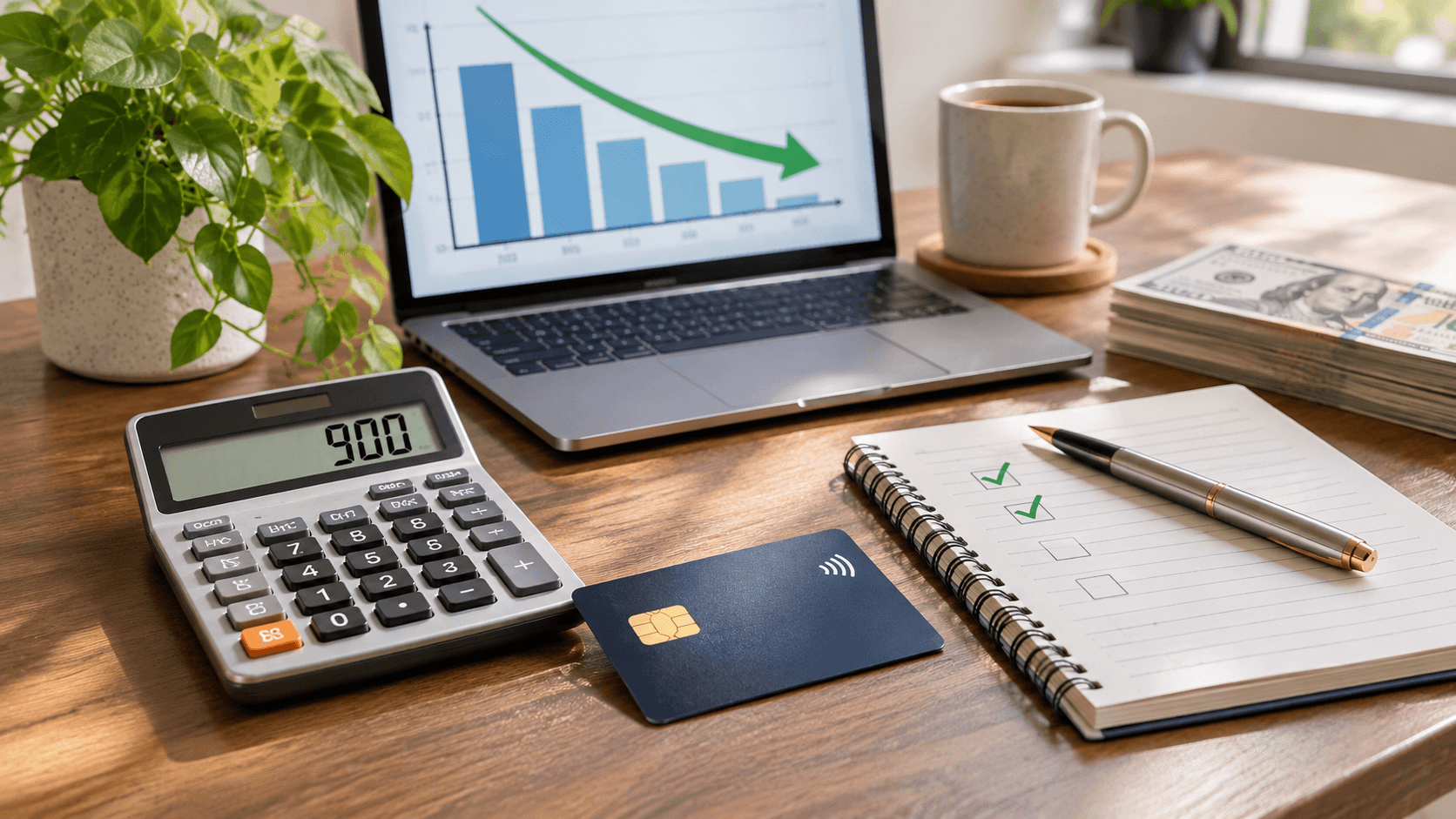
If you're using most of your credit limit, prioritize paying down cards with high utilization.
For example, if your card has a $3,000 limit and a $2,400 balance, your utilization is 80%. Reducing the balance to $900 brings it down to 30%.
Lower reported utilization may help your score, depending on your overall credit profile and the scoring model used.
Continue making payments on time, and avoid unnecessary interest charges whenever possible.
2. Check All Three Credit Reports
Incorrect information can affect your credit score, especially if a payment is mistakenly reported as late or an unfamiliar account appears in your file.
In the United States, you can access reports from Equifax, Experian, and TransUnion through AnnualCreditReport.com.
Look for:
-
Payments incorrectly marked as late.
-
Accounts you don't recognize.
-
Incorrect balances or credit limits.
If you find an error, dispute it with the relevant credit bureau. Correcting inaccurate information can help ensure your credit score reflects your actual credit history.
3. Avoid Unnecessary Credit Applications
When you apply for a credit card or loan, the lender may perform a hard inquiry to review your creditworthiness.
A hard inquiry can cause a small, temporary decrease in your credit score. Opening several new accounts within a short period may also reduce the average age of your credit history.
If you don't need additional credit, avoid submitting multiple applications unnecessarily.
Checking your own credit score, however, is considered a soft inquiry and won't lower your score.
4. Give Your Credit History Time
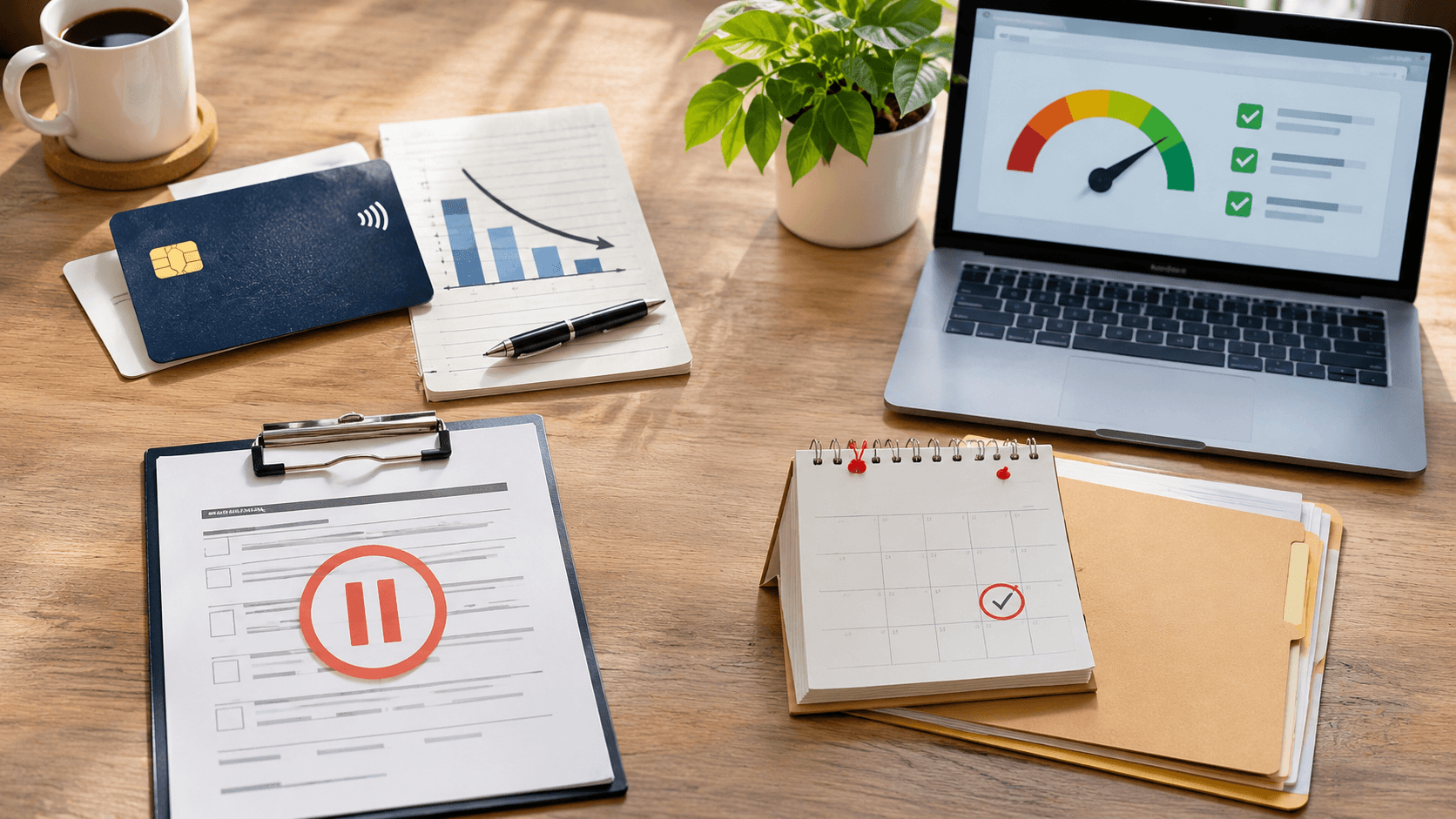
Some credit factors, such as the length of your credit history, cannot be improved overnight.
If you have an older credit account with no significant annual fee, consider keeping it open rather than closing it without a clear reason. Closing an account can affect your available credit and, in some cases, your utilization.
Meanwhile, continue paying on time, managing balances, and avoiding unnecessary new accounts.
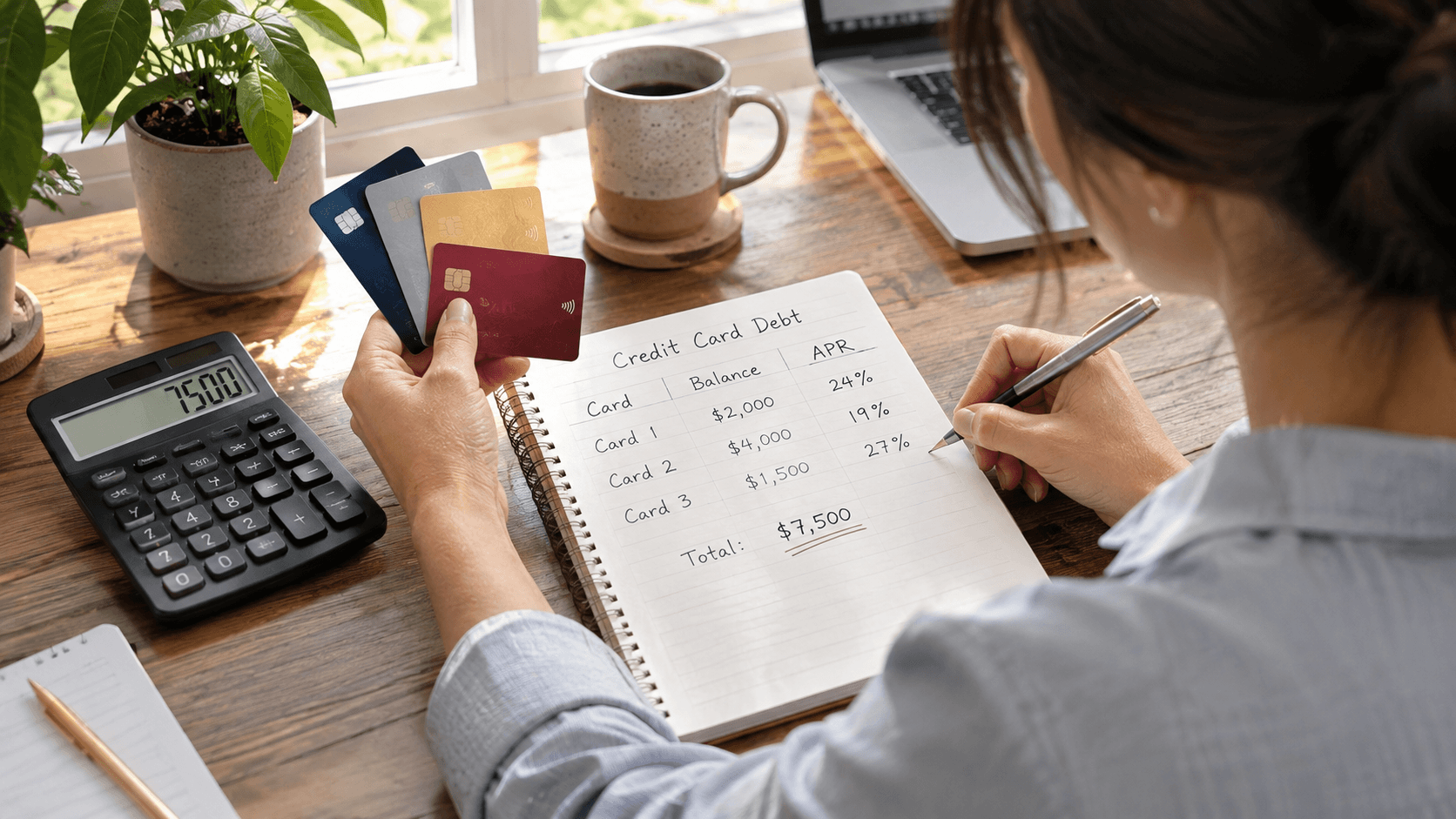
If you're carrying substantial credit card debt, paying it down can reduce interest costs and potentially improve your credit utilization. Read our guide on how to pay off credit card debt to explore repayment strategies and create a manageable plan.
Frequently Asked Questions
Why Did My Credit Score Drop After Paying Off Debt?
Your score may drop because of changes in account balances, account status, or your overall credit profile. Paying off debt doesn't guarantee an immediate score increase.
Is 30% Credit Utilization a Strict Rule?
No. The 30% figure is a common guideline, not a strict requirement. Lower utilization is generally better, depending on your credit profile.
Does Checking My Credit Score Hurt It?
No. Checking your own credit score is a soft inquiry and does not negatively affect your score.
Conclusion
Understanding how to improve your credit score involves more than paying your bills on time. Your reported balances, credit utilization, and overall credit history can also influence your score.
Start by reviewing your credit reports, understanding when your card issuer reports balances, and keeping your credit usage manageable. Visit Lofita.vn for more practical guidance on managing credit and making informed personal finance decisions in the United States.



Comments 0