
Have some extra money but aren't sure where to invest it? With options ranging from savings accounts and stocks to ETFs and bonds, choosing the right investment can feel overwhelming.
The best ways to invest money depend on your financial goals, available budget, and risk tolerance. In this guide, Lofita explores seven popular investment options to help beginners make informed decisions and start building long-term wealth.
Best Ways to Invest Money: Where Should You Start?
There is no single investment strategy that works for everyone.
Before investing, consider three important factors: how much money you have, when you'll need it, and how much risk you're comfortable taking.
If you need your money within the next year, lower-risk options with easy access may be more appropriate.
For long-term goals, investments with greater growth potential may be worth considering, even though their values can fluctuate.
Here are seven options to explore.
1. High-Yield Savings Accounts

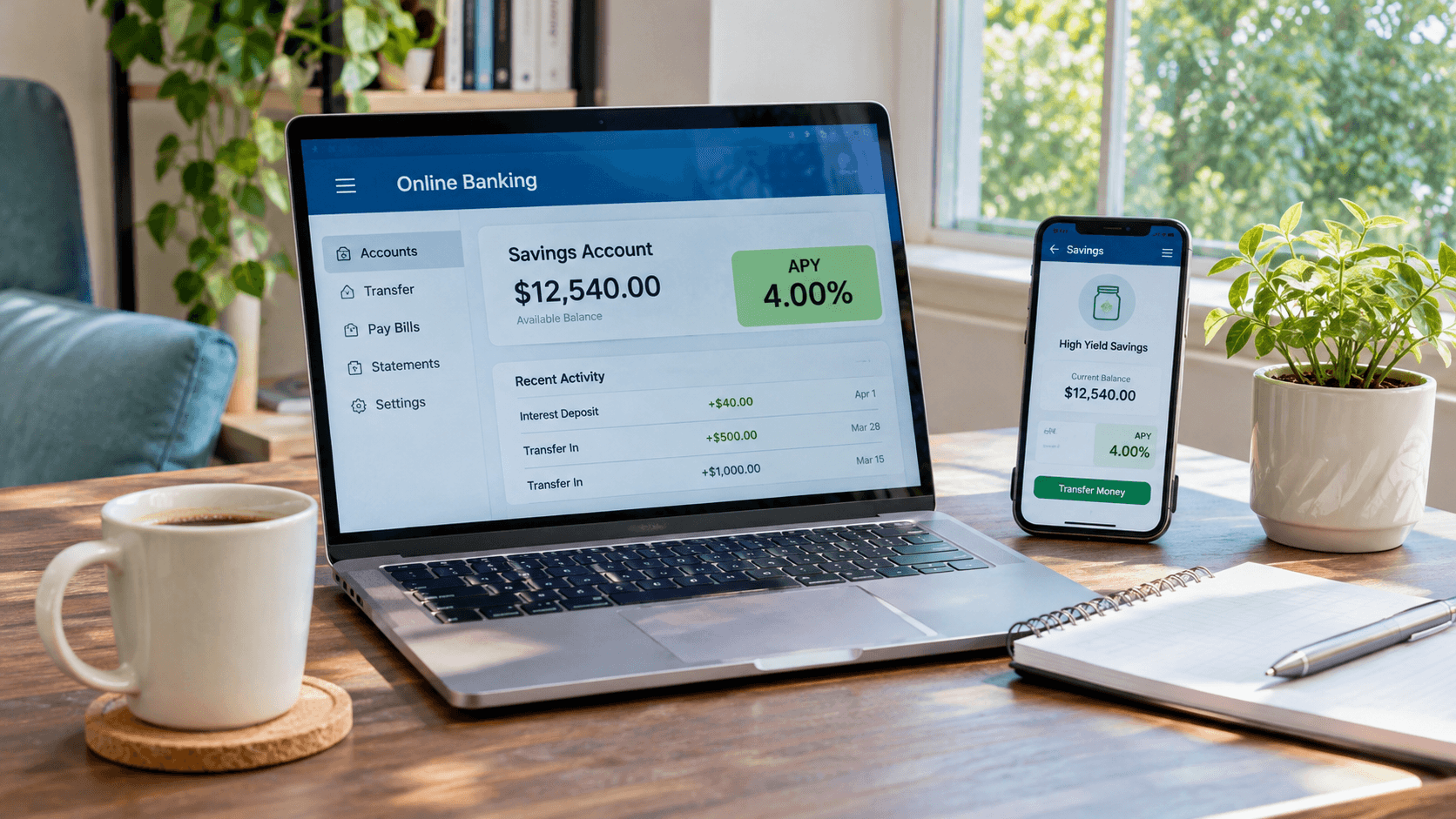
A high-yield savings account (HYSA) allows you to earn interest while keeping your money relatively accessible.
These accounts often offer higher interest rates than traditional savings accounts, although rates can change over time.
Key benefits:
-
Easy access to your savings.
-
Suitable for emergency funds and short-term goals.
-
Eligible deposits at FDIC-insured banks are protected within applicable insurance limits.
However, savings accounts generally offer less long-term growth potential than stock market investments.
They are best suited for money you may need soon rather than funds intended for long-term wealth building.
2. Certificates of Deposit (CDs)
Certificates of deposit allow you to deposit money for a specified period in exchange for interest.
Fixed-rate CDs typically provide predictable returns when held until maturity.
They can be useful when you know exactly when you'll need your money.
However, withdrawing funds early may result in penalties.
Before opening a CD, compare interest rates, maturity periods, and early withdrawal conditions.
3. Index Funds

Index funds are investment funds designed to track the performance of a market index, such as the S&P 500.
Instead of selecting individual companies, you can invest in a collection of securities through a single fund.
Key advantages include:
-
Broad diversification.
-
Often lower management costs.
-
A relatively simple approach to long-term investing.
However, index funds are not risk-free.
Their value can decline significantly during market downturns.
For beginners with long investment horizons, diversified index funds can provide a practical starting point.
4. Exchange-Traded Funds (ETFs)

Exchange-traded funds, or ETFs, hold collections of investments and trade on stock exchanges like individual stocks.
Depending on the fund, an ETF may invest in stocks, bonds, or other assets.
ETFs can make portfolio diversification easier without requiring investors to purchase every security individually.
However, not all ETFs have the same risk level.
Sector-specific, leveraged, and highly concentrated ETFs can experience substantial volatility.
Beginners may find broadly diversified, low-cost ETFs easier to understand and manage.
5. Individual Stocks
Buying individual stocks means purchasing ownership shares in publicly traded companies.
Investors may earn returns through rising share prices or dividends, when companies distribute them.
Stocks can offer significant long-term growth potential, but their prices can also fall sharply.
Unlike diversified funds, individual stocks expose investors to the performance of specific businesses.
Researching company finances, competitive advantages, and industry conditions is important before investing.
Avoid putting your entire investment budget into one company.
6. Bonds

Bonds are debt securities issued by governments, municipalities, or corporations to raise money.
Investors generally receive interest payments according to the bond's terms and repayment of principal at maturity, provided the issuer meets its obligations.
Bonds may help diversify a portfolio and provide income.
However, they still carry risks, including interest rate risk, credit risk, and inflation risk.
Bond prices can decline when market interest rates rise.
Government bonds, corporate bonds, and bond funds also have different characteristics, so understanding what you're buying matters.
7. Retirement Accounts
Retirement accounts such as 401(k)s and IRAs can be valuable tools for long-term investing in the United States.
These accounts are not investments themselves.
Instead, they provide a structure for holding assets such as index funds, ETFs, and mutual funds, often with specific tax advantages.
Some employers also offer matching contributions through workplace retirement plans.
However, contribution limits, withdrawal restrictions, and tax rules apply.
Choosing appropriate investments inside the account is just as important as opening it.
Comparing the Best Ways to Invest Money
Each investment option serves a different financial purpose.
| Investment Option | Relative Risk | Best Suited For |
|---|---|---|
| High-Yield Savings | Low | Emergency funds and short-term savings |
| CDs | Low | Predictable savings goals |
| Index Funds | Moderate to high | Long-term growth |
| ETFs | Varies by fund | Portfolio diversification |
| Individual Stocks | High | Growth-focused investors |
| Bonds | Low to high | Income and portfolio balance |
| Retirement Accounts | Depends on holdings | Long-term retirement planning |
Risk levels are general comparisons, not guarantees of investment performance or principal protection.
How to Choose the Best Way to Invest Money

Choosing an investment requires more than comparing potential returns.
Consider Your Investment Timeline
Money needed within a year should generally remain in relatively stable, accessible accounts.
Longer investment horizons may allow you to tolerate market fluctuations, although losses are always possible.
Understand Your Risk Tolerance
Consider how you would react if your portfolio suddenly lost 20% of its value.
If that would force you to sell, a stock-heavy portfolio may not match your comfort level.
Choose an asset allocation you can realistically maintain.
Build an Emergency Fund First
Before investing in volatile assets, consider establishing emergency savings and addressing high-interest debt.
Having accessible savings can help prevent you from selling investments during market downturns.
Conclusion
The best ways to invest money are not necessarily the options offering the highest advertised returns.
The right choice depends on your financial goals, investment timeline, and willingness to accept risk.
High-yield savings accounts and CDs may suit short-term needs, while index funds, ETFs, and stocks can support longer-term growth objectives.
Start with an amount you can comfortably manage, diversify thoughtfully, and research each investment before committing your money.
For more beginner-friendly guidance on saving, investing, and managing personal finances, explore Lofita.





Comments 0