
Getting money back every time you use a credit card sounds like an easy way to save. But how does cash back work on credit cards, and is it really worth it?
Cash back rewards can help reduce everyday expenses, but understanding how they are calculated and redeemed is essential. At Lofita, we explain how credit card cash back works, the different reward structures, and how to maximize benefits without unnecessary spending.
What Is Cash Back on a Credit Card?
Cash back is a credit card reward that returns a percentage of eligible purchases to the cardholder.
For example, if your card offers 2% cash back and you spend $100, you earn $2 in rewards.
Unlike an instant discount, cash back usually accumulates in your rewards account until you redeem it.
The amount earned depends on your card's reward rate, spending categories, and program restrictions.
How Does Cash Back Work on Credit Cards?
Cash back credit cards reward you when you make qualifying purchases. The process generally involves three steps.

Step 1: Make an Eligible Purchase
Use your credit card for everyday expenses such as groceries, gas, dining, or online shopping.
Most regular purchases qualify, but cash advances, balance transfers, and certain fees typically do not earn rewards.
Step 2: Earn Cash Back Rewards
Your card issuer calculates rewards based on the transaction amount and applicable cash back percentage.
For example, spending $200 at a grocery store with a 3% cash back card earns $6.
Rewards usually appear after the transaction posts or when your billing statement closes.
Step 3: Redeem Your Rewards
Once rewards become available, you can redeem them through your credit card issuer's website or mobile application.
Some cards offer automatic redemption, while others require manual requests.
Three Types of Cash Back Credit Cards
Different cash back cards offer different reward structures.
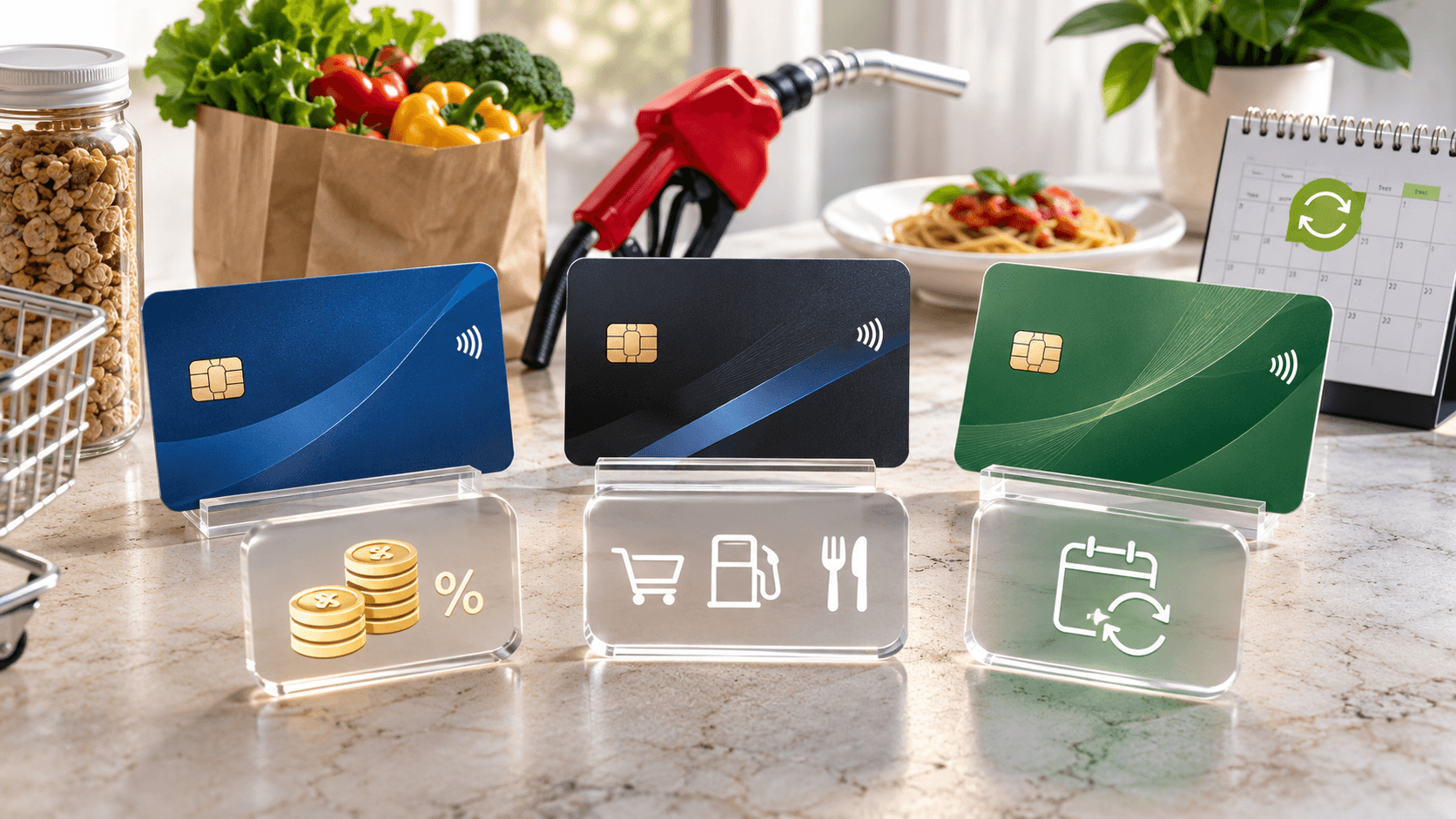
1. Flat-Rate Cash Back Cards
Flat-rate cards provide the same reward percentage across eligible purchases.
For example, a 2% card earns $20 on $1,000 in qualifying spending.
These cards are ideal for people who prefer simple rewards without tracking spending categories.
2. Tiered Cash Back Cards
Tiered cards offer different reward rates depending on purchase categories.
A card might provide 3% on groceries, 2% on gas, and 1% on other purchases.
This structure can be valuable when bonus categories match your regular expenses.
3. Rotating Category Cash Back Cards
Rotating category cards offer higher rewards in categories that change periodically.
For example, a card might provide 5% cash back at grocery stores during one quarter and restaurants during another.
However, bonus rewards often have spending limits and activation requirements.
How to Calculate Credit Card Cash Back

Calculating cash back rewards is straightforward.
Cash Back = Eligible Purchase Amount × Cash Back Rate
Suppose you spend $1,500 monthly using a card offering 2% cash back.
Your monthly rewards would be:
$1,500 × 0.02 = $30
Over 12 months, that equals $360 in cash back, assuming all purchases qualify.
| Monthly Spending | Cash Back Rate | Monthly Rewards |
|---|---|---|
| $500 | 1% | $5 |
| $1,000 | 1.5% | $15 |
| $1,500 | 2% | $30 |
| $2,000 | 3% | $60 |
Actual rewards depend on eligible transactions, category limits, and issuer terms.
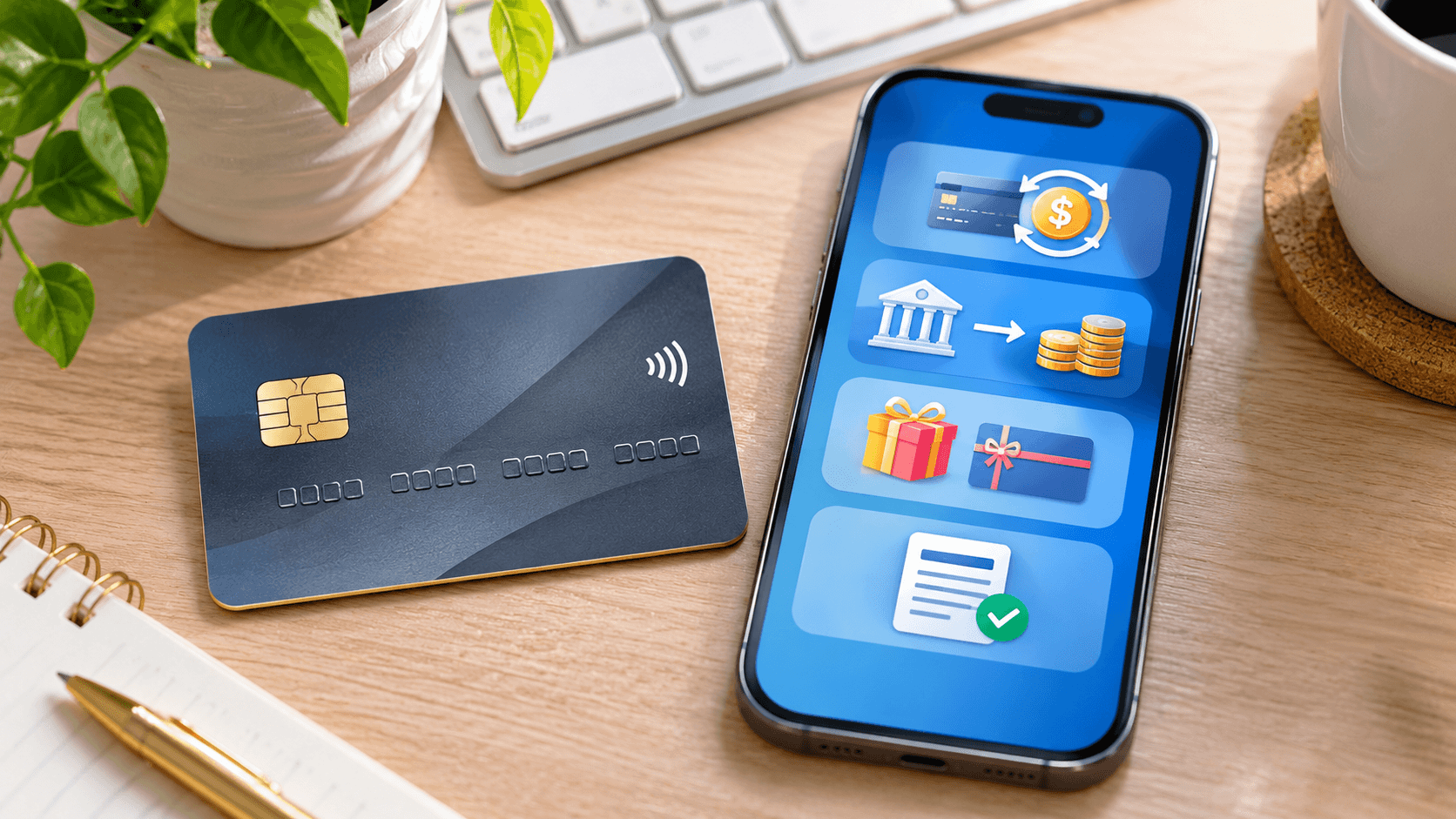
How Do You Redeem Cash Back Rewards?

Most cash back credit cards provide several redemption options.
-
Statement credit: Apply rewards toward your credit card balance.
-
Direct deposit: Transfer eligible rewards into a bank account.
-
Gift cards: Exchange rewards for gift cards from participating retailers.
-
Shopping or travel: Use rewards through eligible issuer programs.
Some issuers require a minimum reward balance before redemption.
Remember that receiving a statement credit generally does not replace your required minimum monthly payment.
Is Credit Card Cash Back Really Free Money?
Cash back rewards provide savings, but they are not entirely free money.
Credit card companies generate revenue from merchant fees, interest charges, and certain cardholder fees.
The biggest risk is carrying an unpaid balance.
For example, earning $25 in rewards offers little benefit if you pay $40 in interest.
If you regularly carry a balance, learning how to pay off credit card debt can help you reduce interest charges and make better use of your credit card benefits.
Annual fees and late payment charges can also reduce the value of cash back rewards.
How to Maximize Cash Back Without Overspending
You do not need to spend more money to earn valuable rewards.
Instead, focus on purchases you already planned to make.
-
Choose the right card: Match reward categories to your spending habits.
-
Pay your balance in full: Avoid interest that could outweigh your rewards.
-
Activate bonus categories: Check whether rotating rewards require enrollment.
-
Compare annual fees: Make sure the rewards justify the card's yearly cost.
-
Review redemption rules: Understand minimum balances and reward expiration policies.
Managing your credit card responsibly matters just as much as earning rewards. Understanding how to improve your credit score can help you build healthier credit habits while enjoying cash back benefits.
Cash back rewards can also support your savings goals. Explore our guide on how to save money fast for practical strategies to keep more of your income.
Frequently Asked Questions
Do You Get Cash Back on Every Purchase?
Not always. Most eligible purchases earn rewards, but cash advances, balance transfers, and certain transactions may be excluded.
Does Cash Back Expire?
It depends on the issuer. Some rewards remain available while your account is open and in good standing, while others have expiration rules.
Is 2% Cash Back Good?
A 2% flat-rate reward can be attractive for everyday purchases, particularly when the card has no annual fee and you avoid interest charges.
Is Cash Back the Same as a Cash Advance?
No. Cash back is a reward earned from eligible spending. A cash advance is borrowed money that typically involves fees and immediate interest charges.
Conclusion
Understanding how does cash back work on credit cards helps you evaluate rewards and make smarter financial decisions.
The best strategy is to earn cash back on purchases you already make, redeem rewards wisely, and avoid unnecessary interest or fees.
For more practical advice on credit cards, savings, and personal finance, explore the latest guides at Lofita.



Comments 0